The Best Washing Machine Microplastic Filters
Your fleece jacket sheds thousands of plastic microfibers every wash, and treatment plants can't catch them all — synthetic laundry is the single largest source of ocean microplastics. France already requires filters on new machines. Here's how to add one to yours.
We may earn a commission when you buy through our links. This helps fund our reporting at no additional cost to you. Our recommendations are based solely on independent research and expert consensus. As an Amazon Associate we earn from qualifying purchases.
Quick Picks: At-a-Glance
| Pick | Best for | Why we recommend it |
|---|---|---|
| Filtrol External Washer Filter | Catching the most | Inline filter on the discharge hose; independent testing puts capture around 89% of fibers. (Buy direct from brand; Amazon listing currently out of stock.) |
| Guppyfriend Wash Bag | Renters & no-install | The original microfiber wash bag — contains shedding and reduces it. (Direct from brand; not on Amazon US.) |
| Filtrol Replacement Bags (4-pack) | Filtrol owners | Keep spares — a saturated filter bag is the only way a Filtrol stops working. |
| Stainless Lint Snare Traps (24-pack) | Budget / utility sink | Steel mesh traps for machines that drain into a sink — a few dollars per months of use. |
The Biggest Microplastic Source Isn't in Your Kitchen
Most of this site is about what you swallow. This guide is about what you emit. Every wash cycle mechanically stresses fabric, and when the fabric is polyester, nylon, or acrylic, the lint it sheds is plastic: studies measure from hundreds of thousands to several million microfibers per load, varying with fabric, temperature, and cycle. Washing machine drains feed treatment plants that were never designed for fibers this small, and what slips through goes to rivers and oceans. The IUCN estimates synthetic textiles cause roughly 35% of primary ocean microplastics — the largest single source, ahead of tire dust.
Regulators have noticed: France became the first country to require microfiber filters on all new washing machines, effective January 2025, and similar rules have been proposed elsewhere. The technology being mandated is exactly what you can retrofit today — a filter between the machine and the drain.
Strategy is simple and layered: shed less (cold, short, full-load washes; fewer washes for synthetics), contain what sheds (wash bag), and capture the rest at the drain (external filter). The picks cover each layer.
In-Depth Reviews
Our pick
Filtrol External Washer Filter
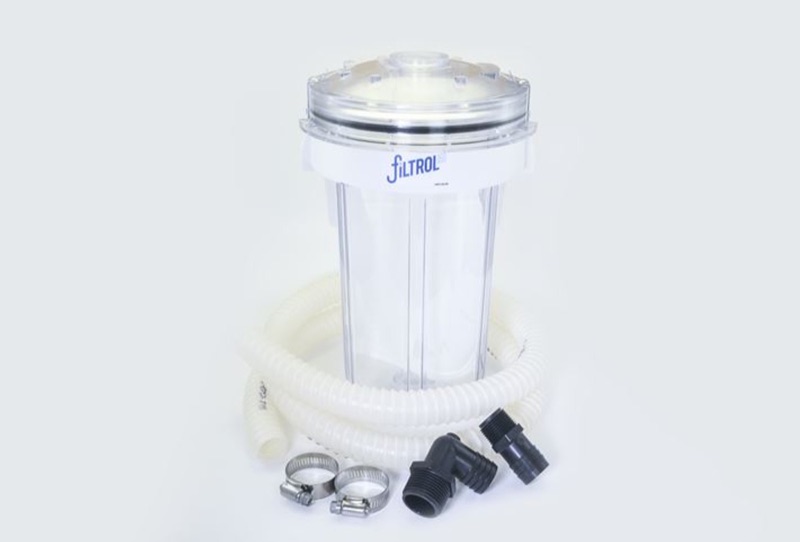
The Filtrol splices into the washer's discharge hose and runs every drop of wastewater through a replaceable filter bag — no behavior change, no per-load ritual, it just runs. The manufacturer cites independent testing at ~89% microfiber capture, and the visible payoff is the bag itself: after a few weeks it holds a wad of gray fiber sludge that was previously going straight to the watershed. Installation is basic (mount bracket, two hose connections; renters can usually manage it since nothing is permanent). Check the bag monthly. This is the one that actually solves the problem rather than nibbling at it. The Amazon listing for the filter unit is currently out of stock, so buy the unit direct from Filtrol — the replacement bags are still on Amazon.
Buy direct from FiltrolNo-install pick
Guppyfriend Washing Bag
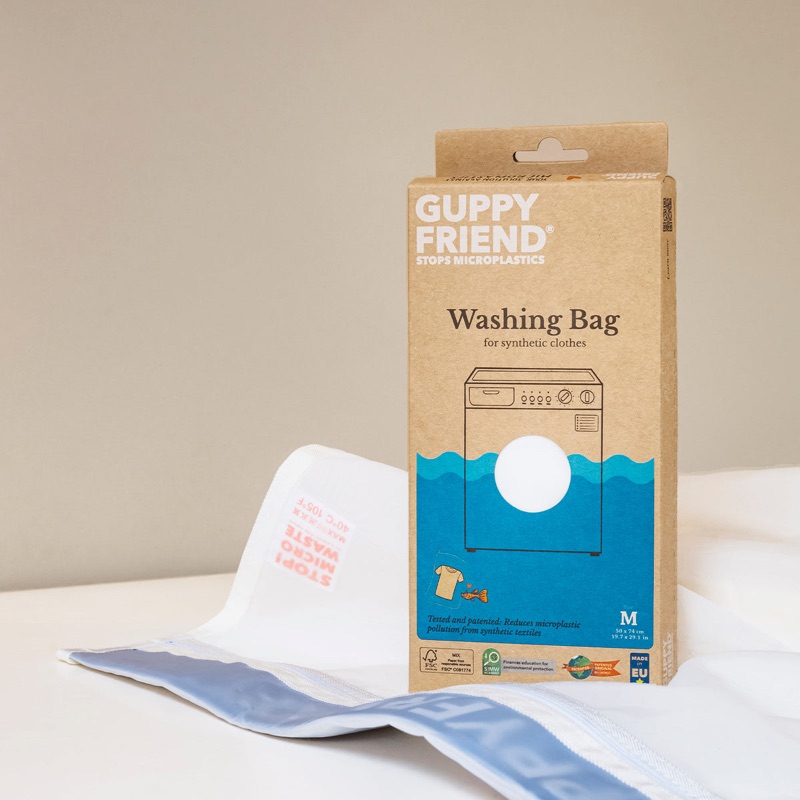
The Guppyfriend is the original answer to microfiber shedding: zip your synthetics inside, wash normally, and the tightly woven (monofilament, itself non-shedding) bag both reduces fiber breakage from mechanical stress and traps what does break, which you then wipe out into the trash. Independent testing found meaningful reductions in released fibers. It's the right call for renters, shared laundry rooms, and travel. One honest note: it only treats what fits in the bag, so it pairs with rather than replaces a drain filter. Guppyfriend isn't sold on Amazon US — buy direct from the maker (no affiliate relationship; it's simply the best product in its niche).
Buy direct from GuppyfriendFor Filtrol owners
Filtrol Replacement Filter Bags (4-pack)
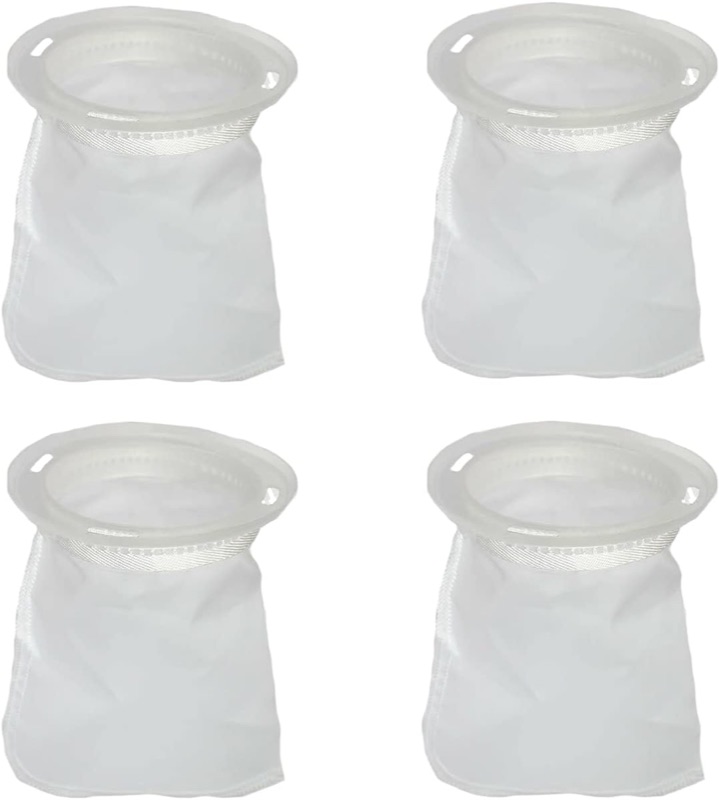
The Filtrol's filter bag is the consumable: depending on how synthetic-heavy your laundry is, a bag saturates every 2–6 months, and a saturated bag slows draining. Genuine replacement bags in a 4-pack works out to roughly a year or two of filtration. Order them with the filter — the failure mode of every external filter setup is "the bag filled up and I didn't have a spare, so I removed it."
Check price on AmazonBudget pick
Stainless Steel Lint Snare Traps (24-pack)
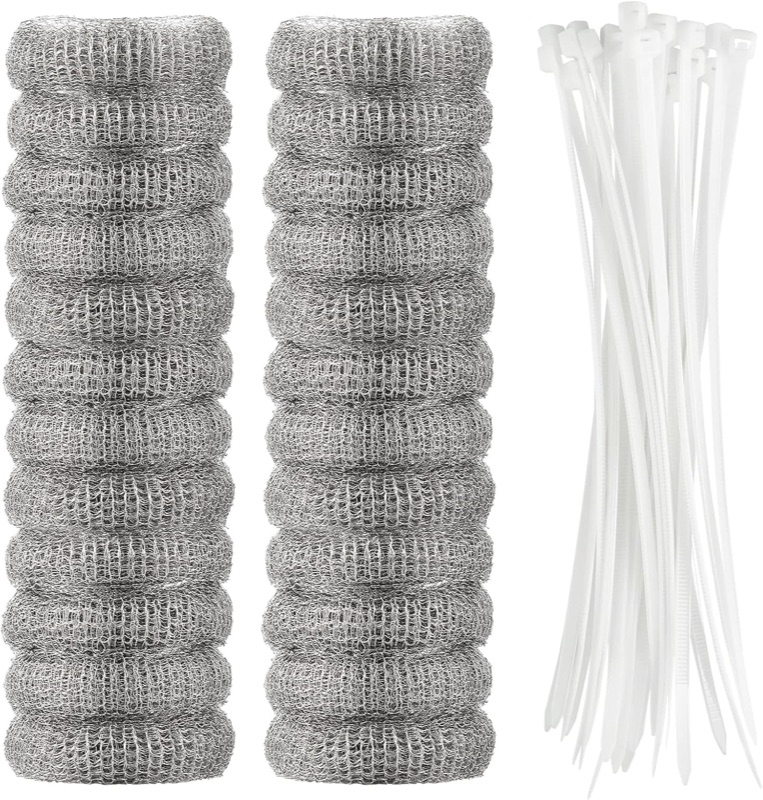
If your washer drains into a utility sink — common in basements and older homes — the cheapest microfiber intervention is a steel mesh snare zip-tied to the end of the drain hose. This 24-pack of stainless traps costs a few dollars and each trap visibly fills with fiber over weeks. Capture is coarser than a Filtrol (fine fibers pass through), but the price-to-impact ratio is unbeatable and installation is one zip tie. Also worth knowing about: the Cora Ball, an in-drum ball that catches fiber fragments mid-wash — it's not sold on Amazon US either, but it's a solid drum-side companion available direct from the maker.
Check price on AmazonFrequently Asked Questions
Does this affect my health, or just the ocean's?
Both, in a loop: laundry fibers are a dominant source of environmental microplastics, which circulate back through water and food — and indoor microfiber shedding from the same textiles is a major component of household dust. Filtering the wash is mostly an emissions fix, but it's the same plastic cycle you're reducing everywhere else on this site.
Which synthetic fabrics shed the most?
Fleece is the worst offender by a wide margin — loose, brushed polyester fibers are built to shed. Acrylic knits and aged polyester follow. Tightly woven synthetics (nylon shells) shed less; natural fibers (cotton, wool, linen) shed biodegradable lint instead of plastic.
What reduces shedding for free?
Cold water, shorter cycles, full loads (less garment-on-drum friction), liquid detergent instead of powder, skipping the dryer for synthetics, and simply washing technical clothing less often. These cut shedding meaningfully before you buy anything.
What do I do with the collected lint?
Trash, sealed — never rinse a filter bag or trap out in the sink, which would send the entire catch down the drain and undo the work. Scrape or wipe filter contents into the bin.
Care & Maintenance Tips
- Check external filter bags monthly; replace when packed firm or when draining audibly slows.
- Empty lint traps and wash-bag corners into the trash — dry lint first if you can, and never rinse it down a drain.
- Zip-tie sink-drain snares snugly and keep a spare on the shelf; they clog gradually, not suddenly.
- Buying new clothes? The permanent fix is fiber choice: cotton, wool, and linen shed lint that biodegrades.
Keep Swapping
Laundry is the emissions side of the microplastics story. For the intake side, start with the two biggest swaps: a water filter that actually removes microplastics and glass food storage for everything you heat and eat.