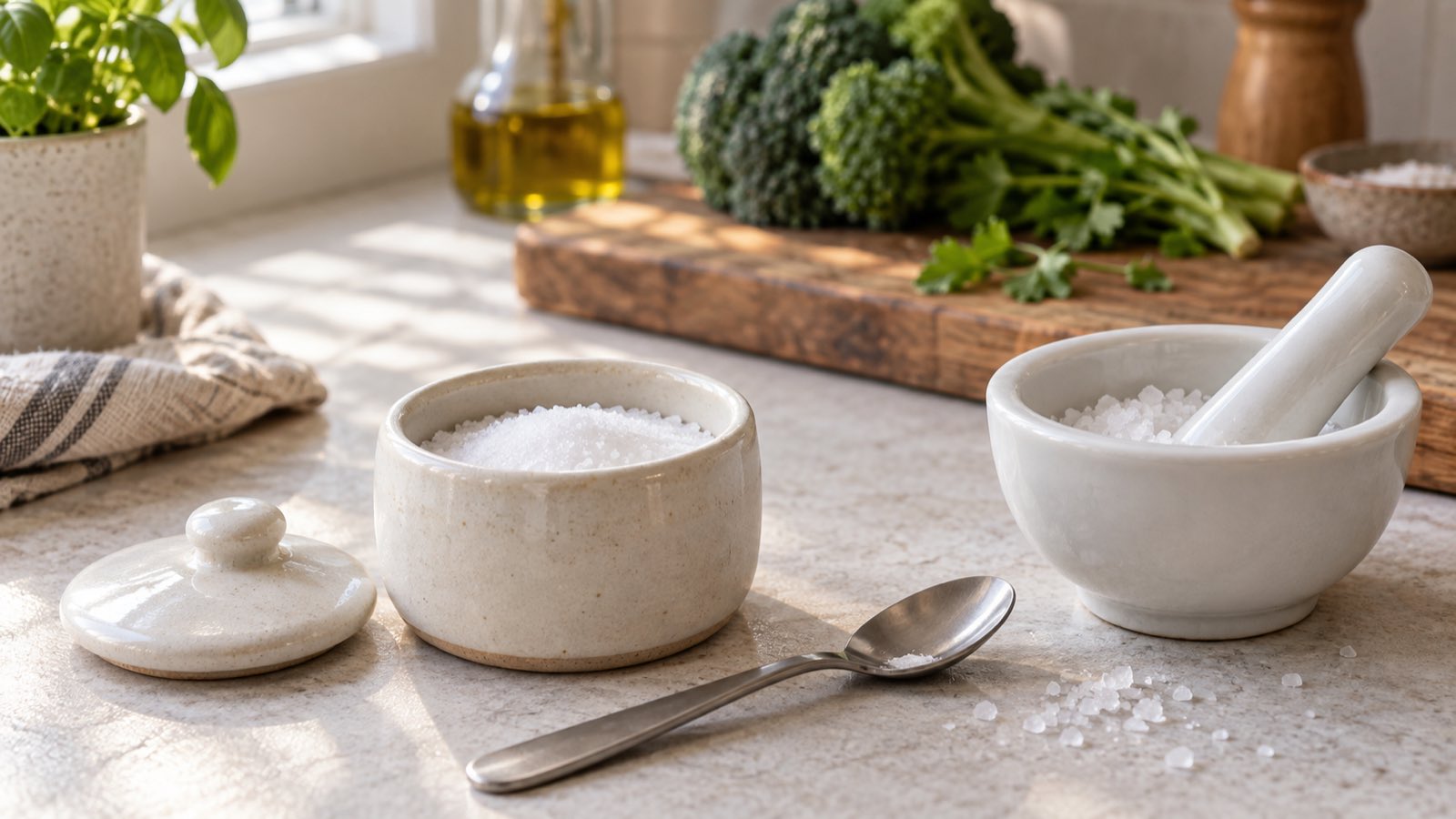
Salt Grinder Microplastics: What to Use Instead
What the studies found, how to check the grinding mechanism, and four practical swaps.
Read the guide →The kitchen is where most microplastic exposure happens — heated containers, plastic kettles, worn cutting boards, bottled water. These guides fix it, one swap at a time.
What the studies found, how to check the grinding mechanism, and four practical swaps.
Read the guide →
Does Hydro Flask have microplastics? Learn what its steel body, plastic lids, and straws tell us, what remains untested, and how to reduce plastic contact.
Read the guide →
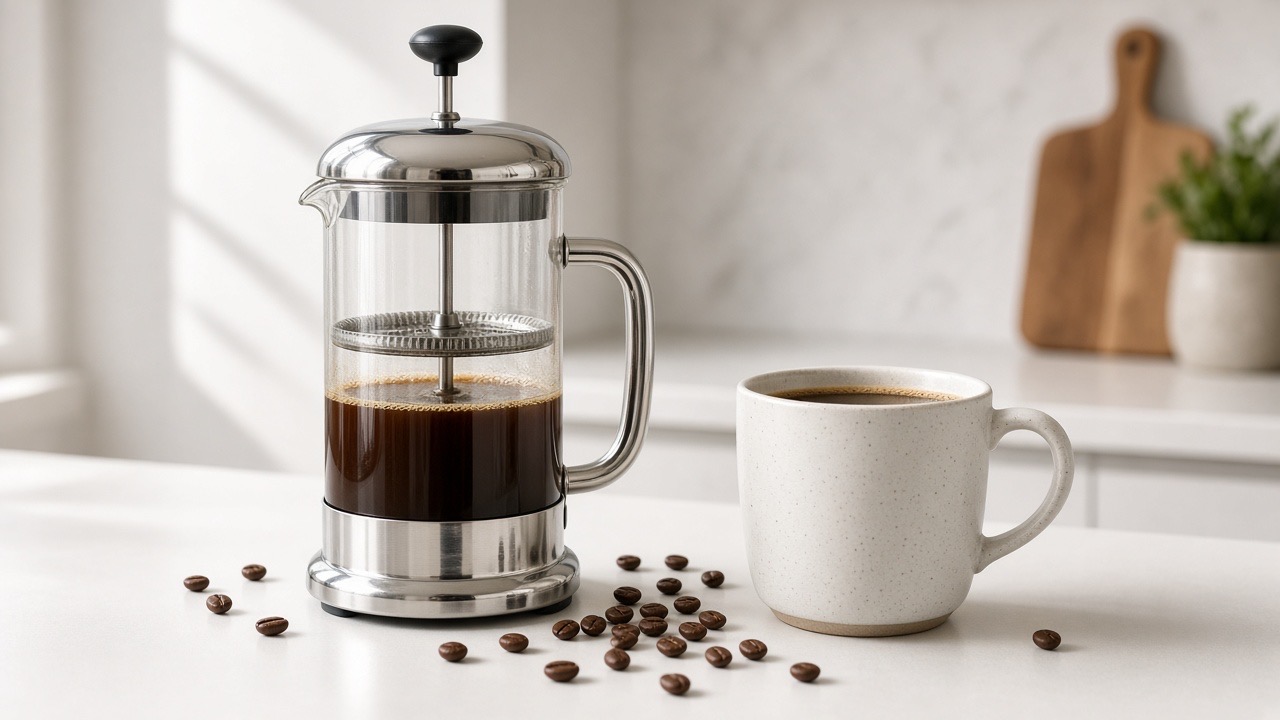
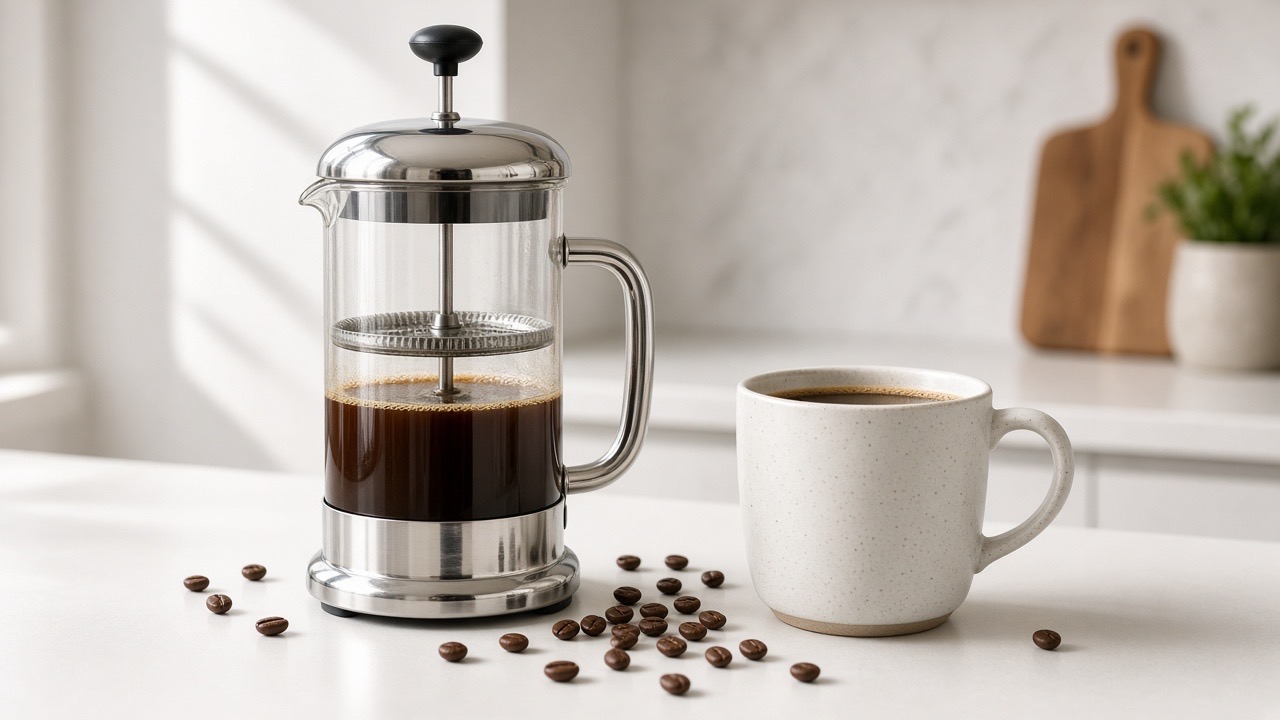
Find a plastic-free French press coffee maker by checking the lid, plunger, and filter. Compare Frieling and Secura materials, limitations, and Amazon options.
Read the guide →
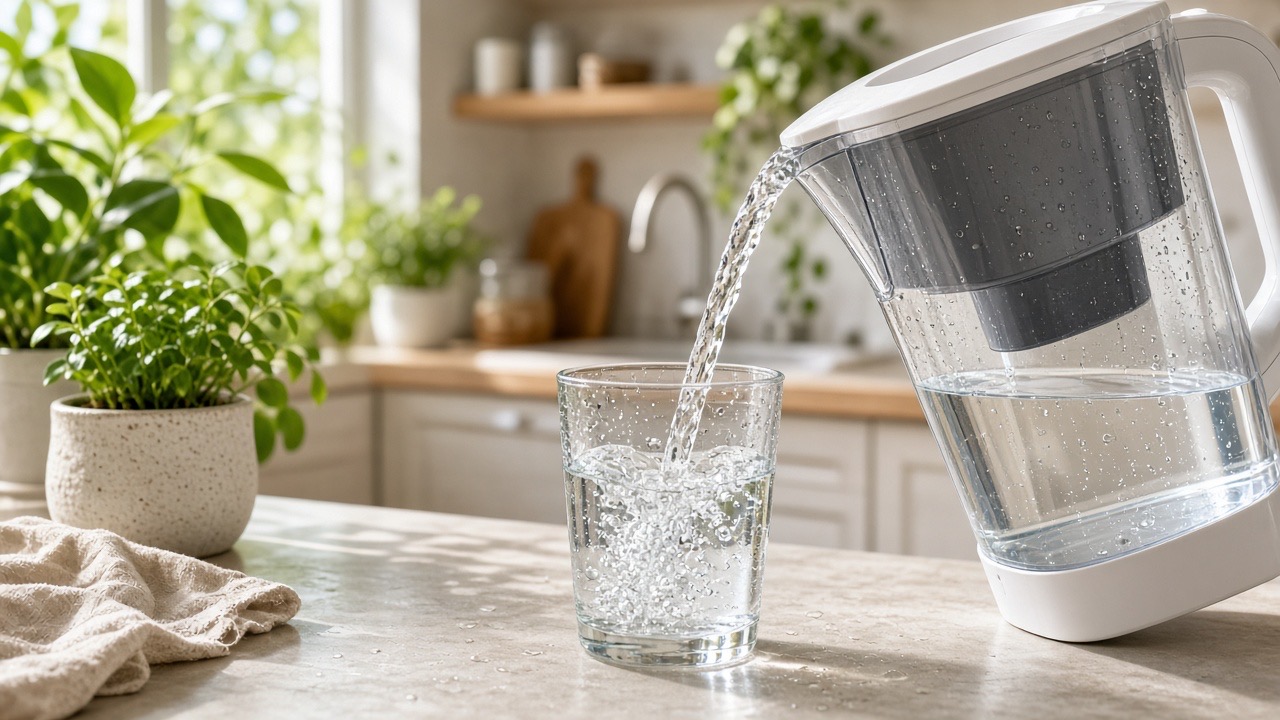
Compare pitcher and jug options, Brita Elite’s tested claim, replacement costs, and what remains unverified for nanoplastics.
Read the report →
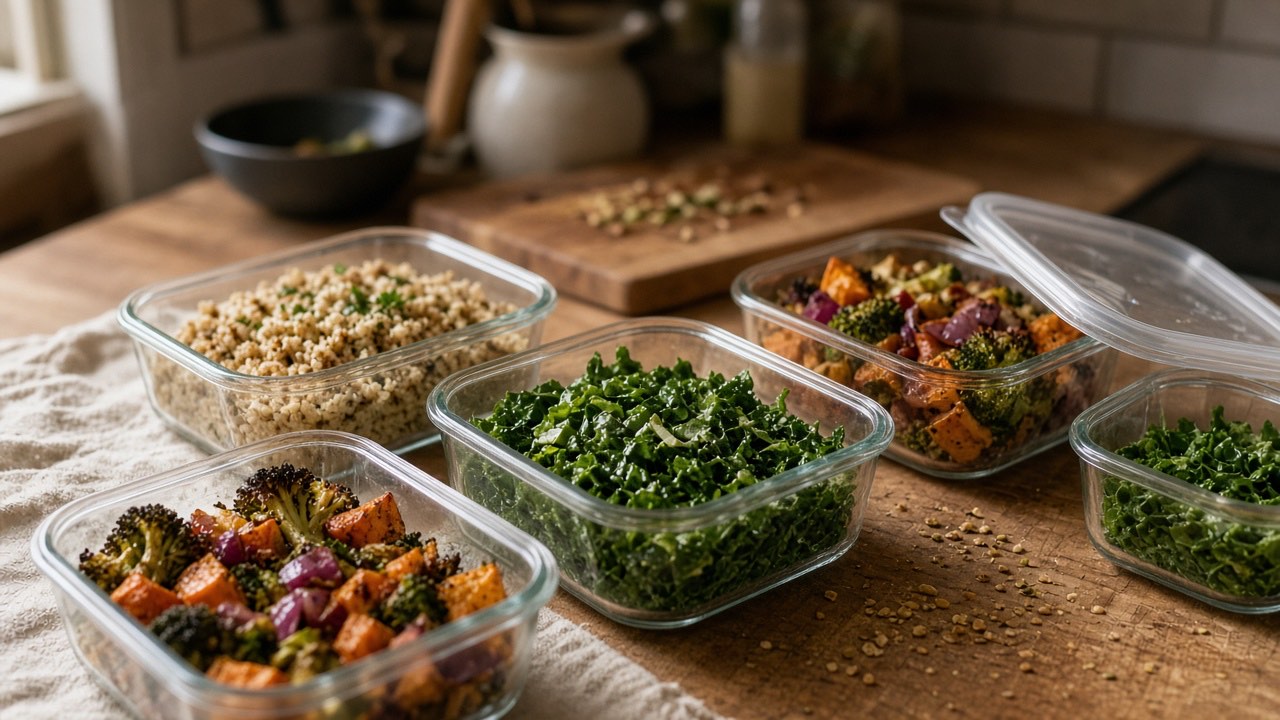
Microwaving food in plastic releases millions of particles per cm². Glass ends the question.
Read the report →
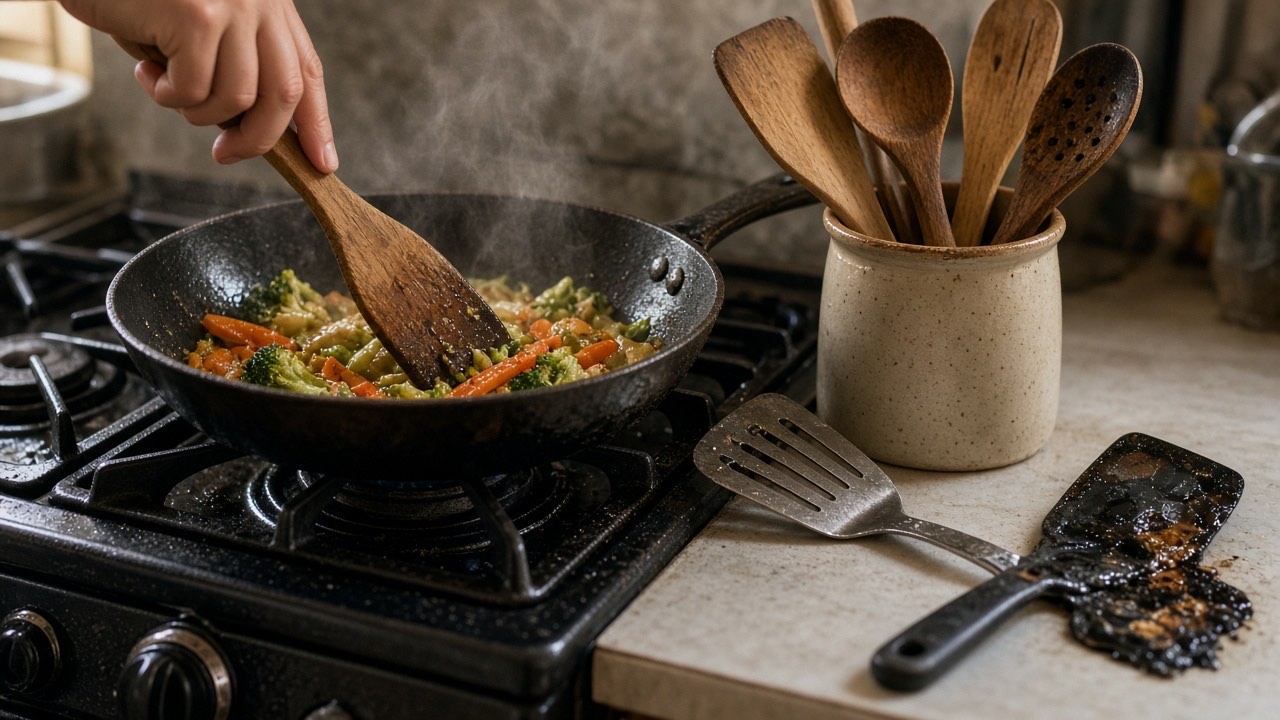
Heat plus abrasion every night — and black plastic may carry e-waste flame retardants. Wood, steel, and silicone fix it.
Read the report →
Compare stainless steel water bottles by body, lid, straw, and seal materials. Find options with less plastic contact and learn what safety claims mean.
Read the report →
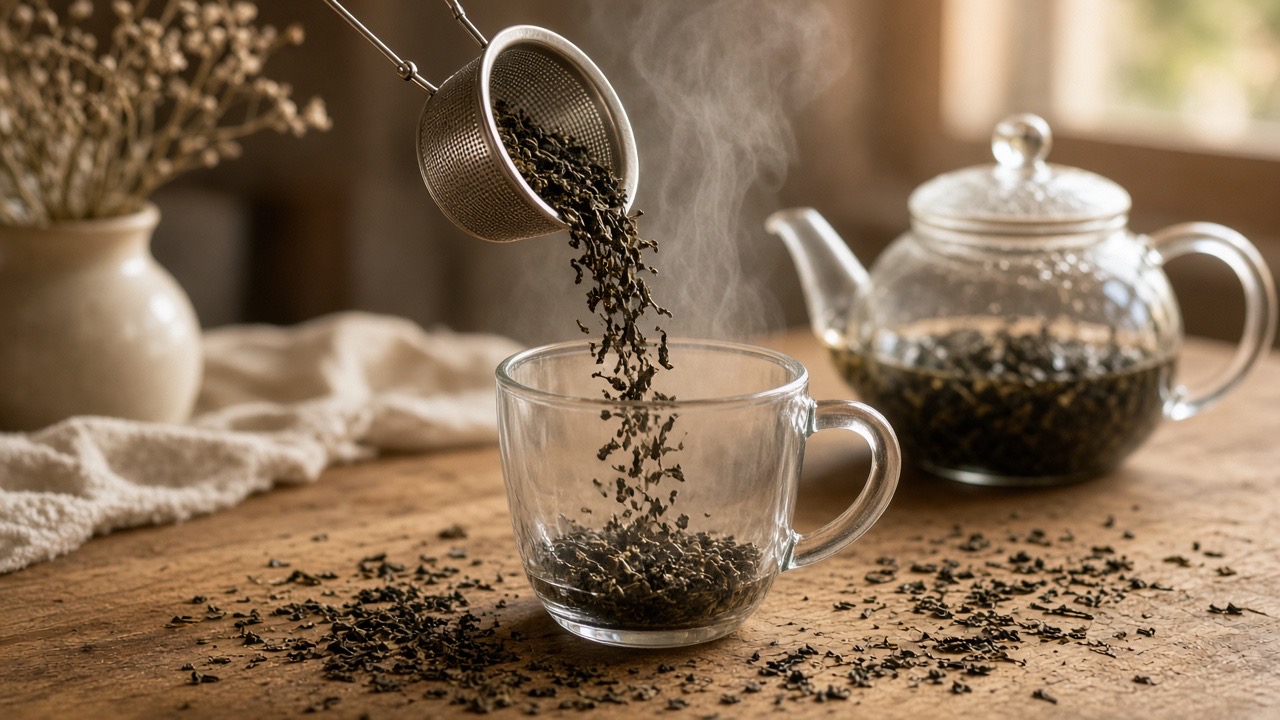
One "silken" tea bag can release 11.6 billion particles into your cup. The fix costs ten dollars.
Read the report →
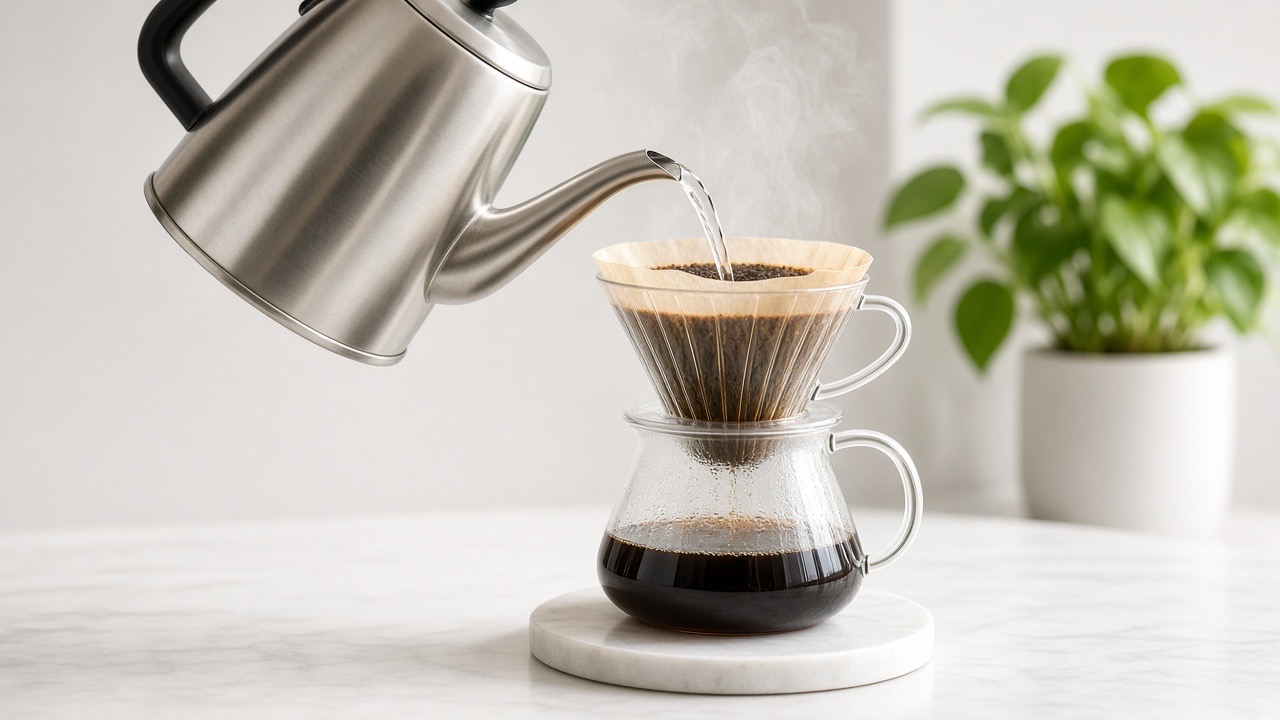
Make coffee with less plastic contact using a stainless French press, ceramic Hario V60, or glass Chemex. Compare methods, materials, and practical tradeoffs.
Read the report →
Heat is the #1 accelerant of shedding, and a kettle is plastic at a rolling boil. Check the water path.
Read the report →
Compare wood, bamboo, rubber, glass, and steel by construction, care, and the evidence behind shedding claims.
Read the report →
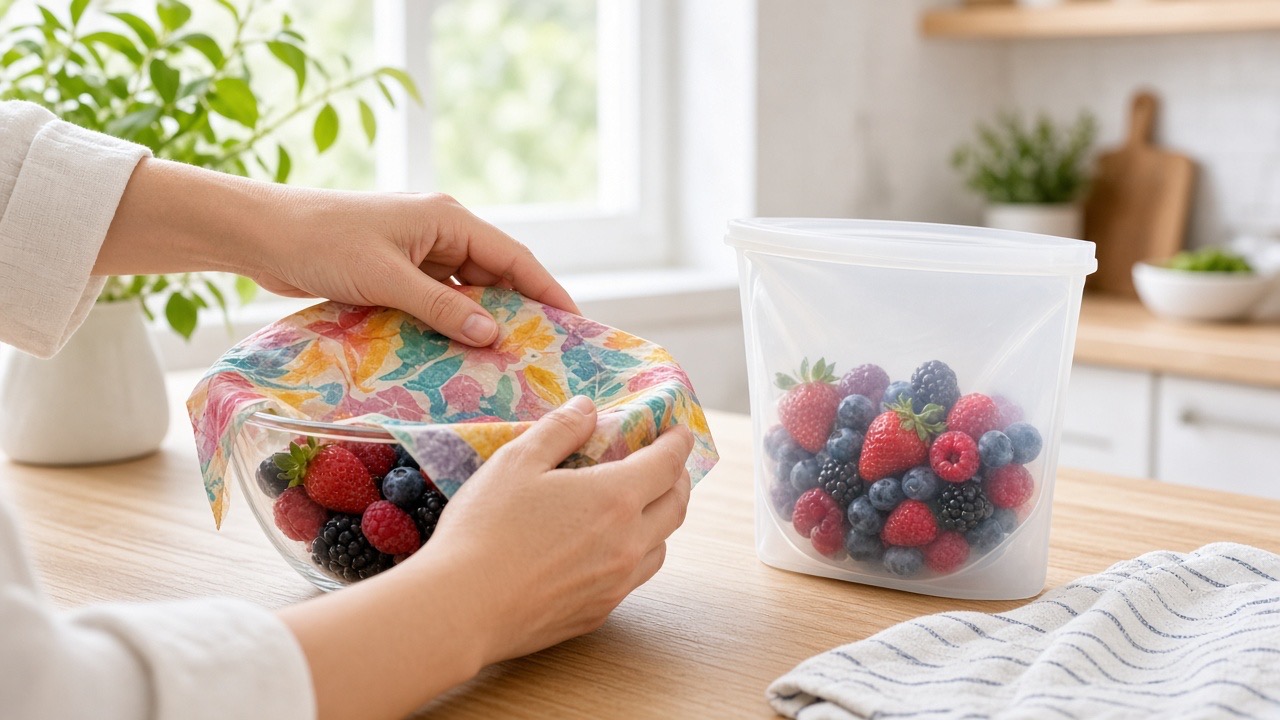
Cling film is single-use plastic pressed onto your food. Three reusables cover its entire job.
Read the report →
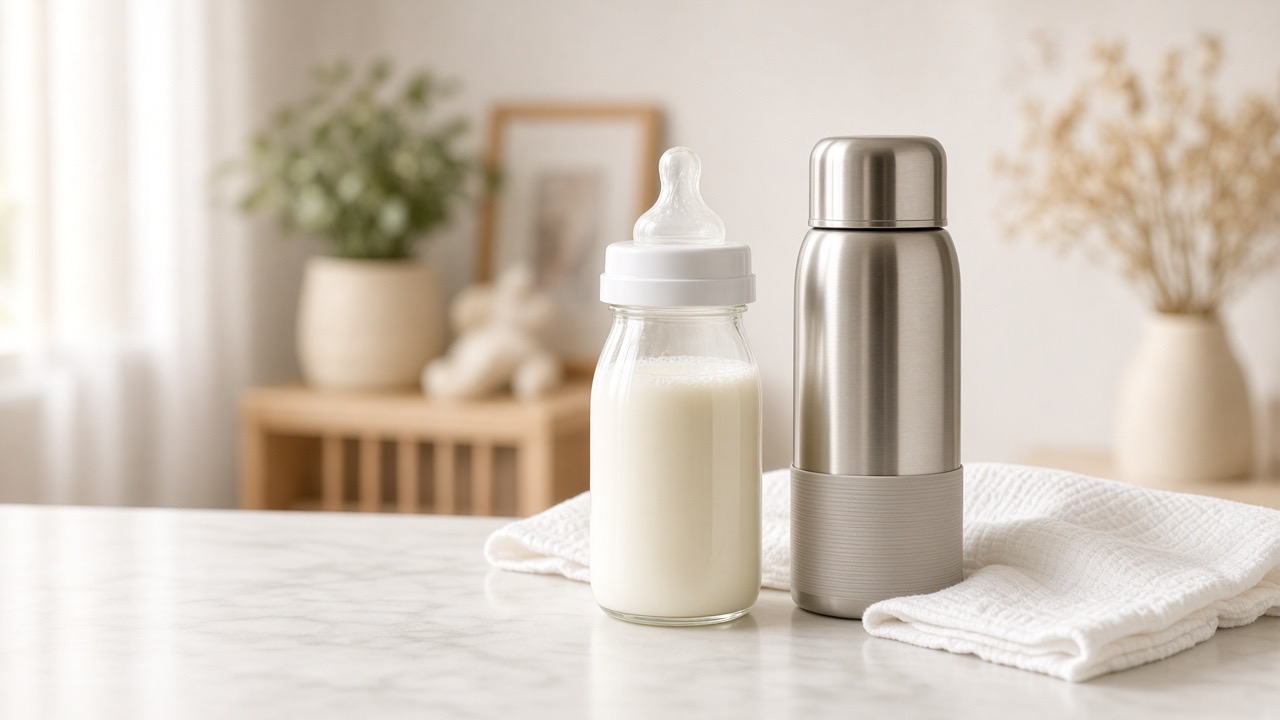
Formula prep in plastic bottles sheds up to 16 million particles per litre. Glass, silicone, and steel don't.
Read the report →