Salt Grinder Microplastics: What to Use Instead
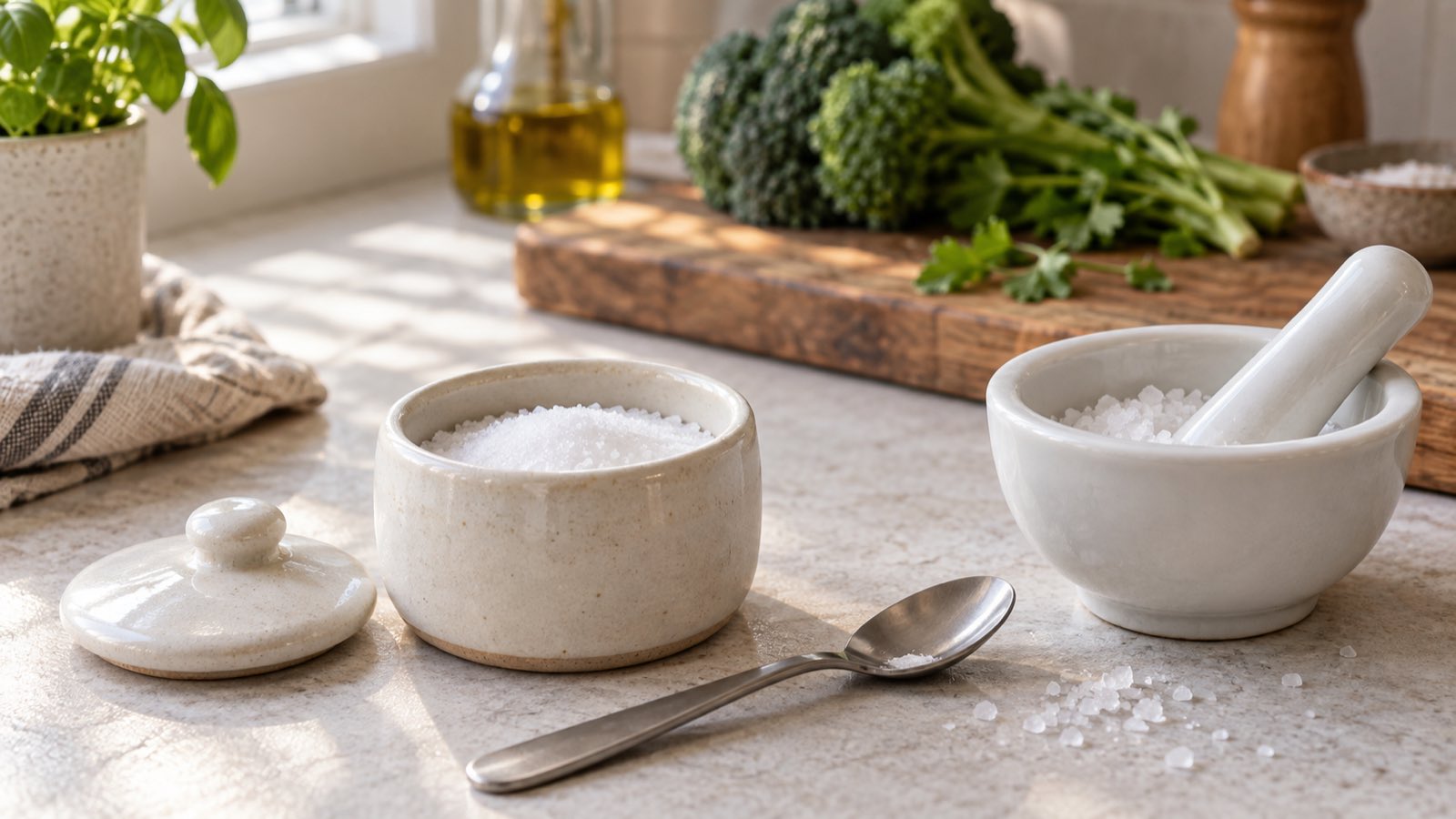
What the studies found, how to check the grinding mechanism, and four practical swaps.
Read the guide →Field manual · updated Oct 2026
Microplastics are in bottled water, tea bags, kettles, and baby bottles. We read the studies, verify the products, and publish the swaps that measurably cut your exposure. Evidence first, then advice.

What the studies found, how to check the grinding mechanism, and four practical swaps.
Read the guide →
Does Hydro Flask have microplastics? Learn what its steel body, plastic lids, and straws tell us, what remains untested, and how to reduce plastic contact.
Read the guide →
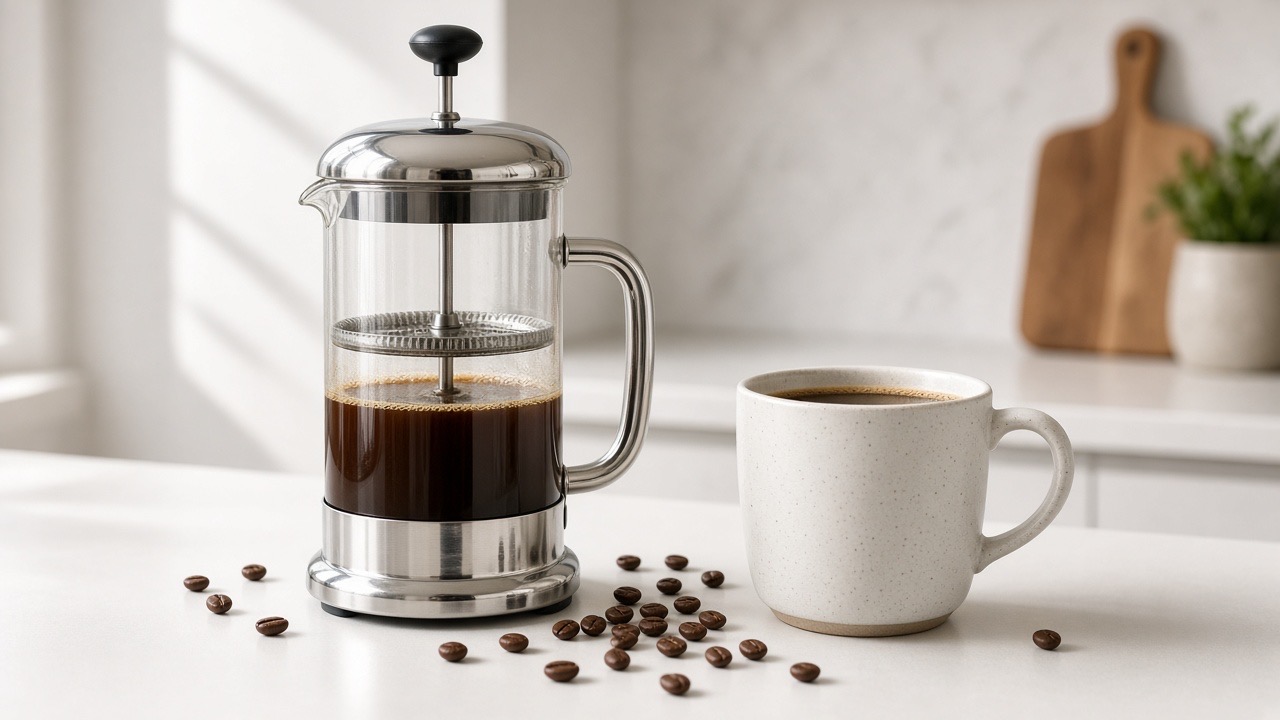
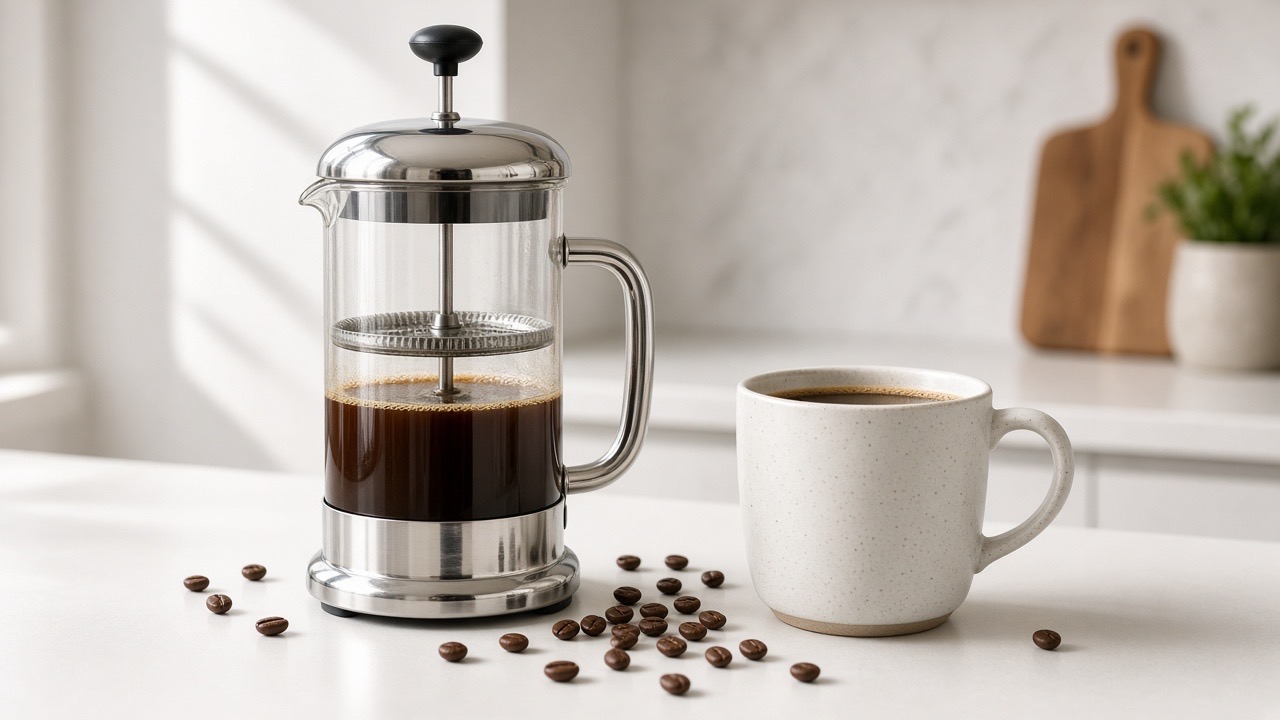
Find a plastic-free French press coffee maker by checking the lid, plunger, and filter. Compare Frieling and Secura materials, limitations, and Amazon options.
Read the guide →
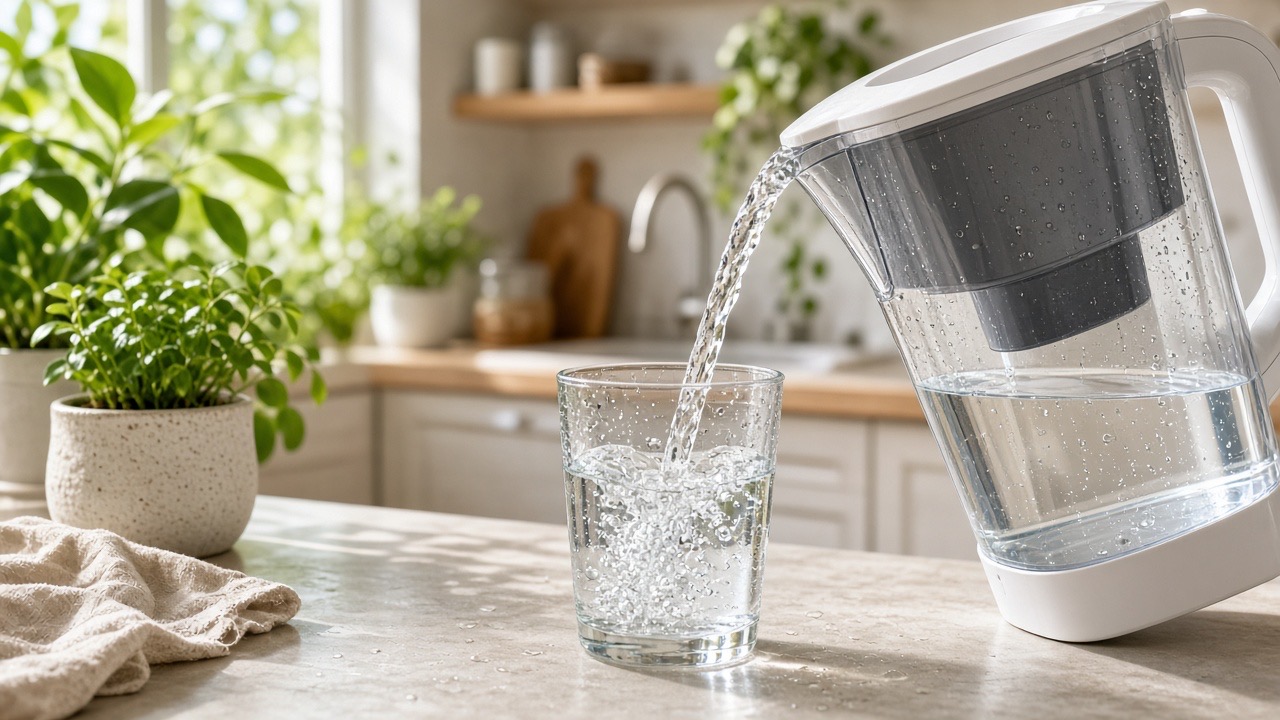
Compare pitcher and jug options, Brita Elite’s tested claim, replacement costs, and what remains unverified for nanoplastics.
Read the report →
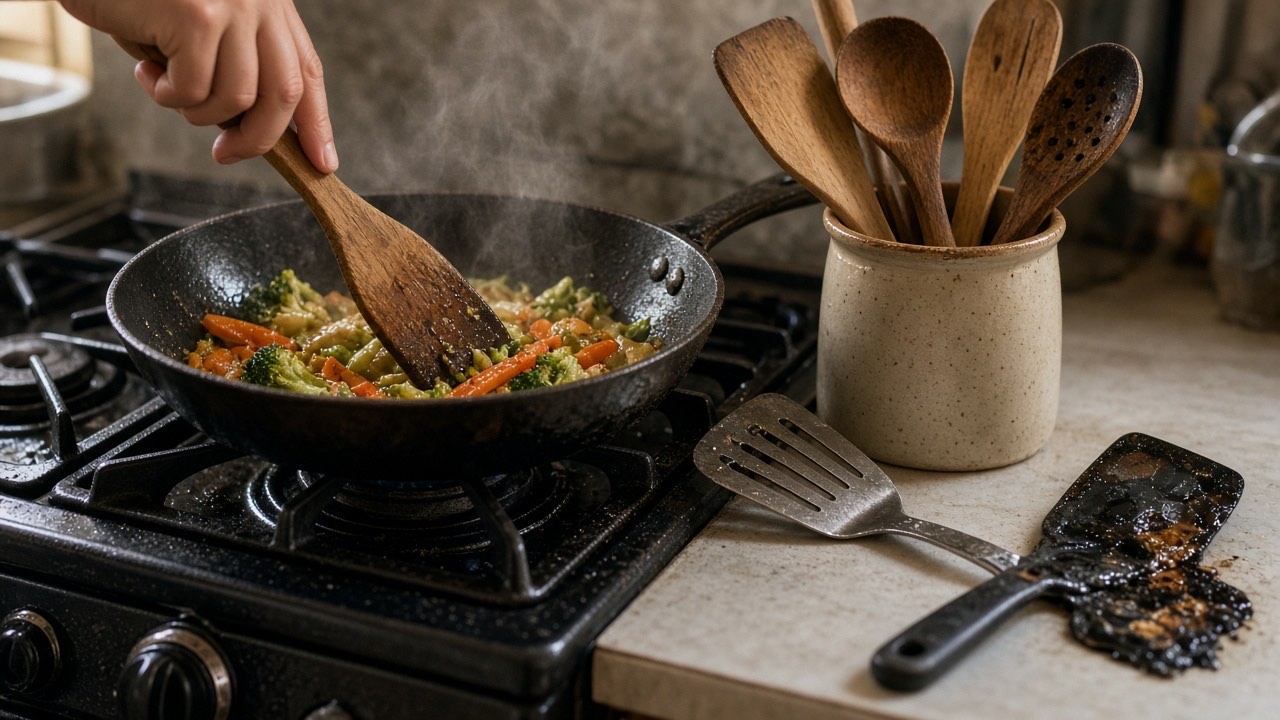
Heat plus abrasion every night — and black plastic may carry e-waste flame retardants. Wood, steel, and silicone fix it.
Read the report →
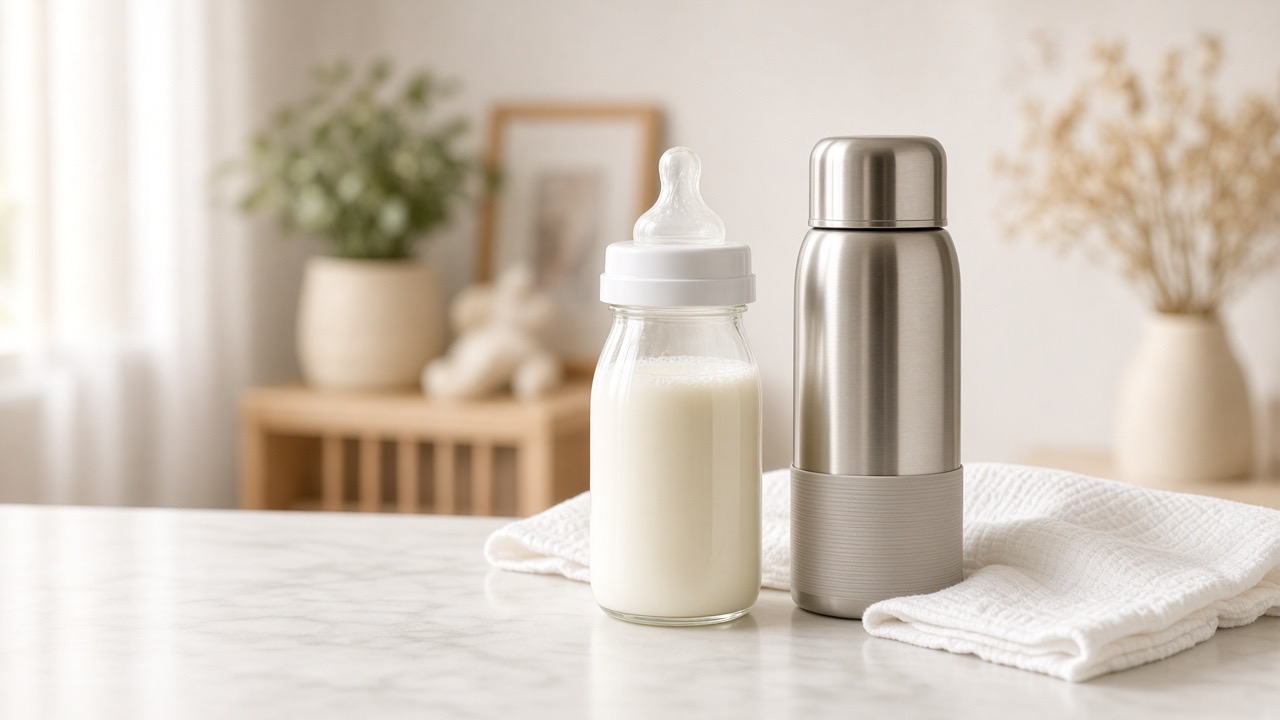
Formula prep in plastic bottles sheds up to 16 million particles per litre. Glass, silicone, and steel don't.
Read the report →
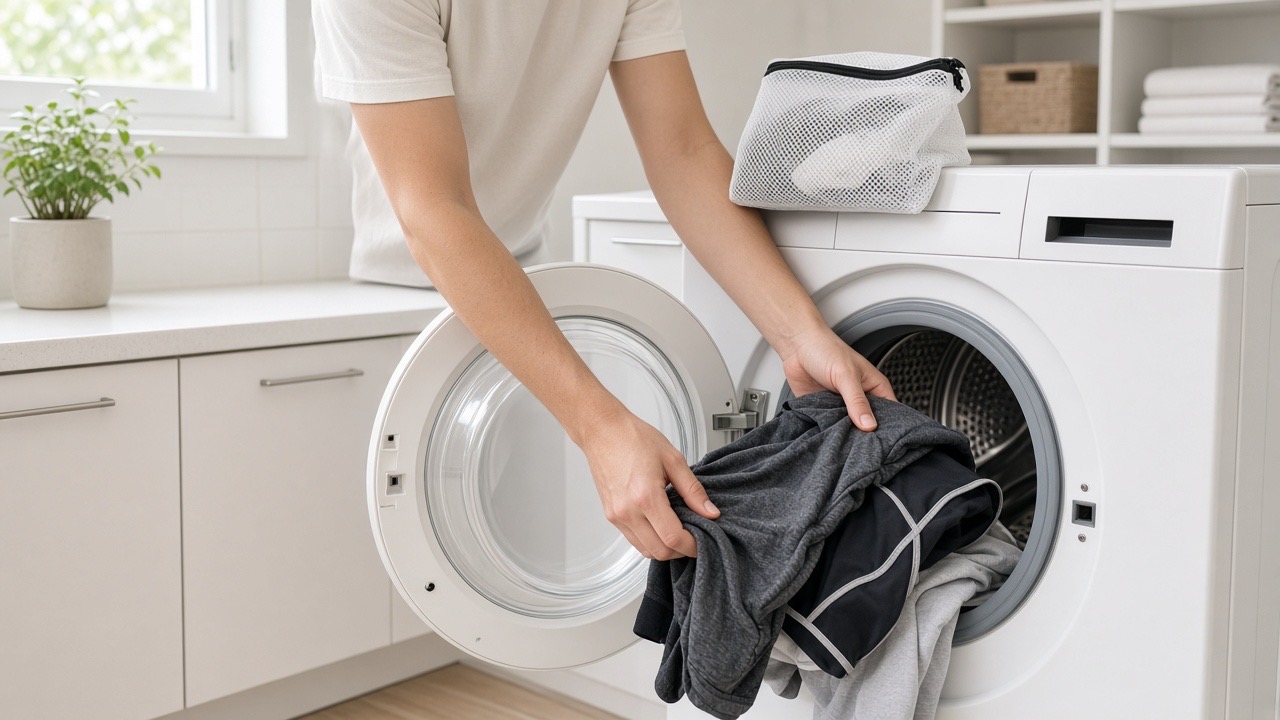
Synthetic laundry is the #1 source of ocean microplastics. France mandates filters; you can retrofit one today.
Read the report →
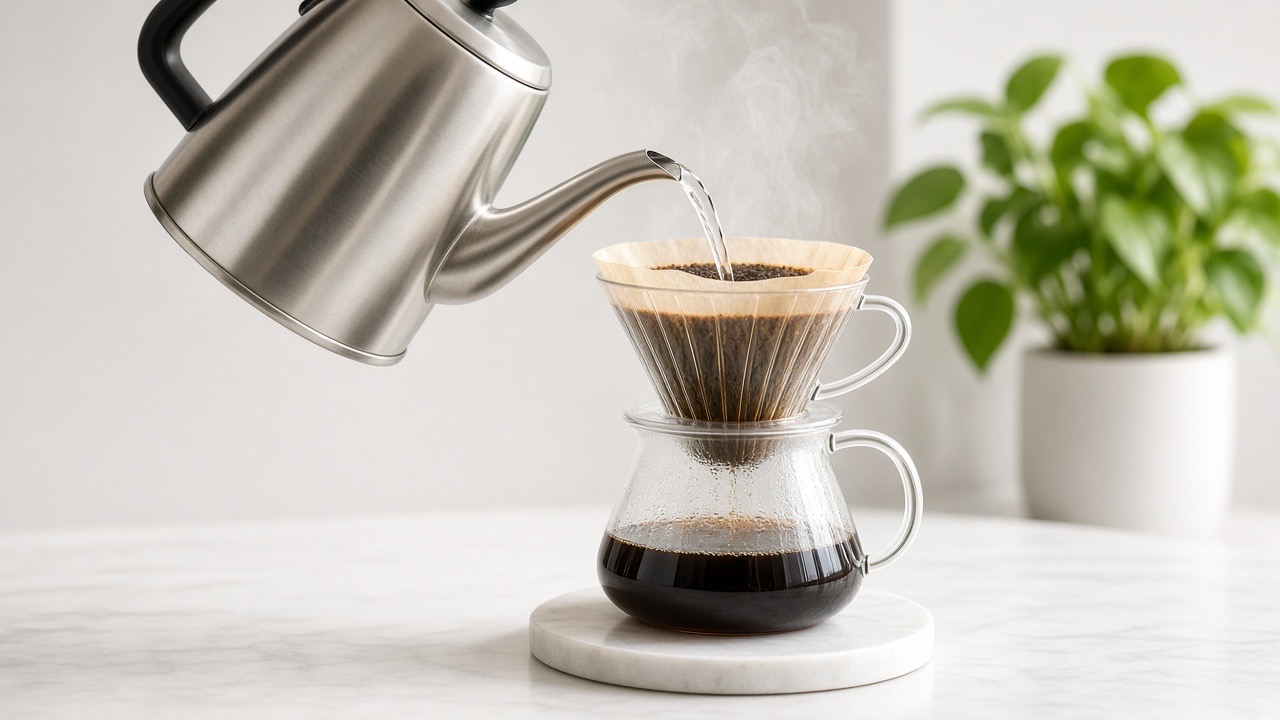
Make coffee with less plastic contact using a stainless French press, ceramic Hario V60, or glass Chemex. Compare methods, materials, and practical tradeoffs.
Read the report →
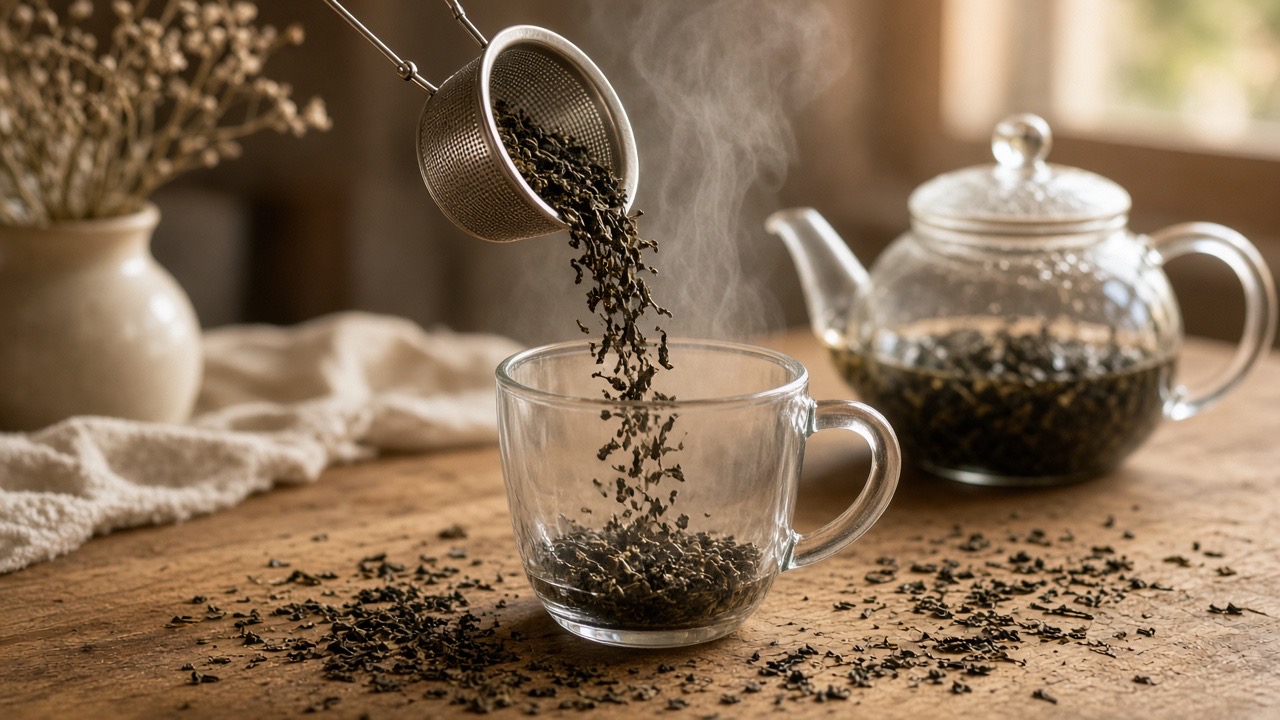
One "silken" tea bag can release 11.6 billion particles into your cup. The fix costs ten dollars.
Read the report →
Compare wood, bamboo, rubber, glass, and steel by construction, care, and the evidence behind shedding claims.
Read the report →
Heat is the #1 accelerant of shedding, and a kettle is plastic at a rolling boil. Check the water path.
Read the report →
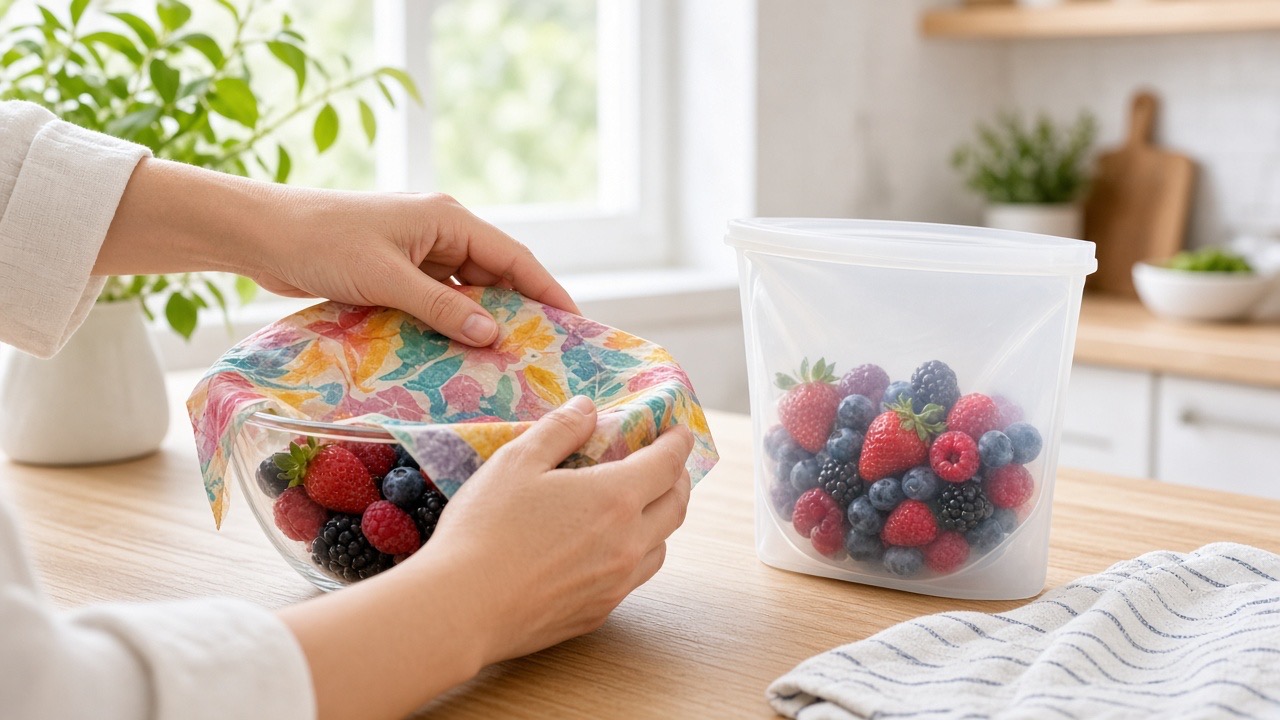
Cling film is single-use plastic pressed onto your food. Three reusables cover its entire job.
Read the report →
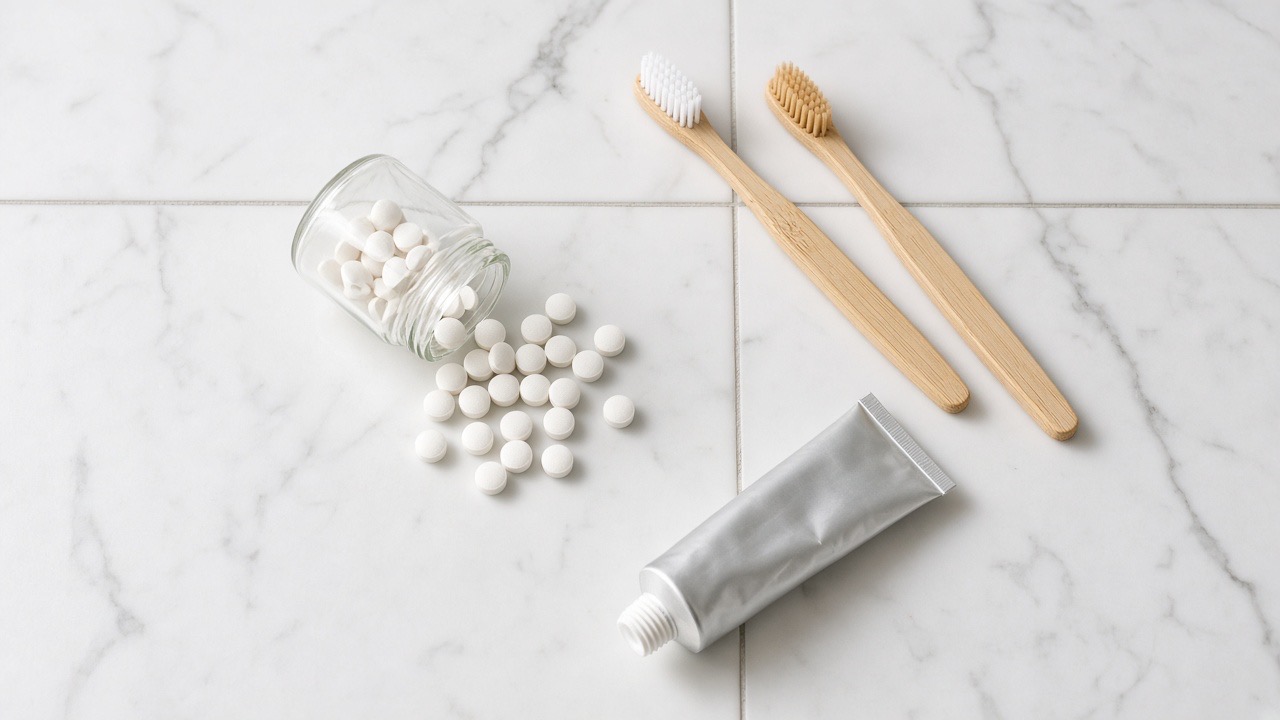
Twice a day, directly in your mouth, from an unrecyclable plastic tube. Tablets and metal tubes fix it.
Read the report →
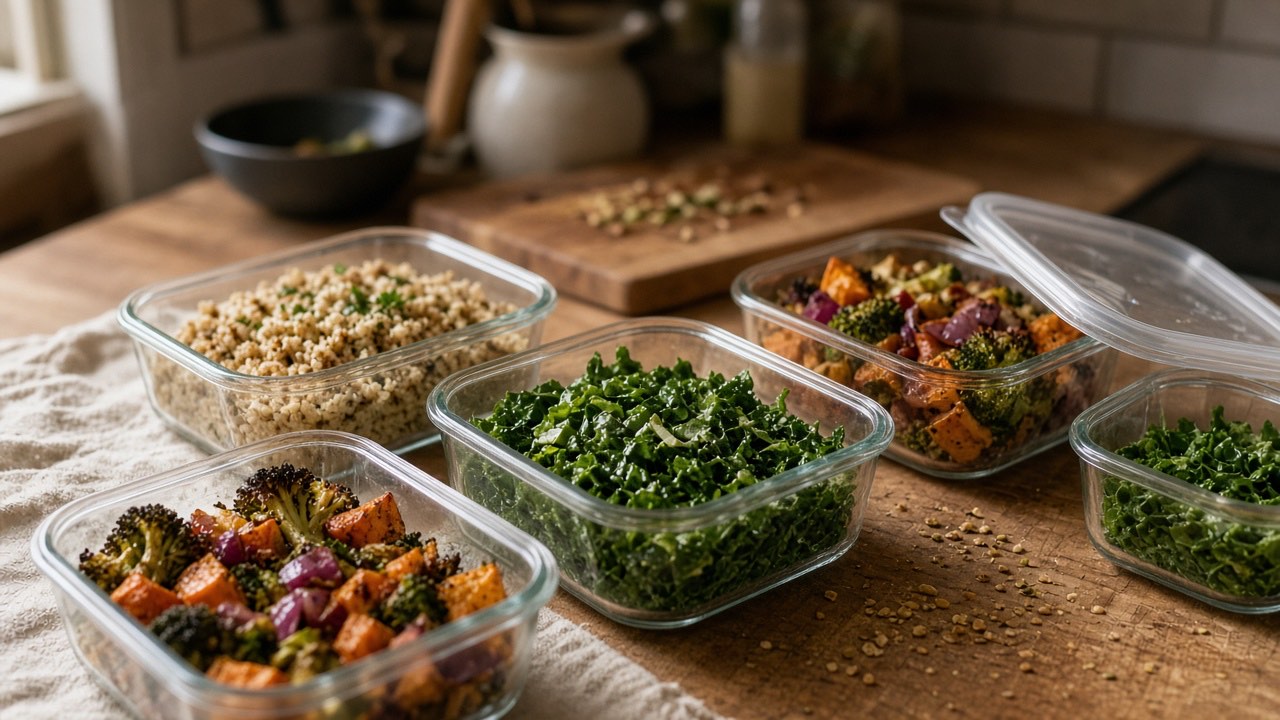
Microwaving food in plastic releases millions of particles per cm². Glass ends the question.
Read the report →
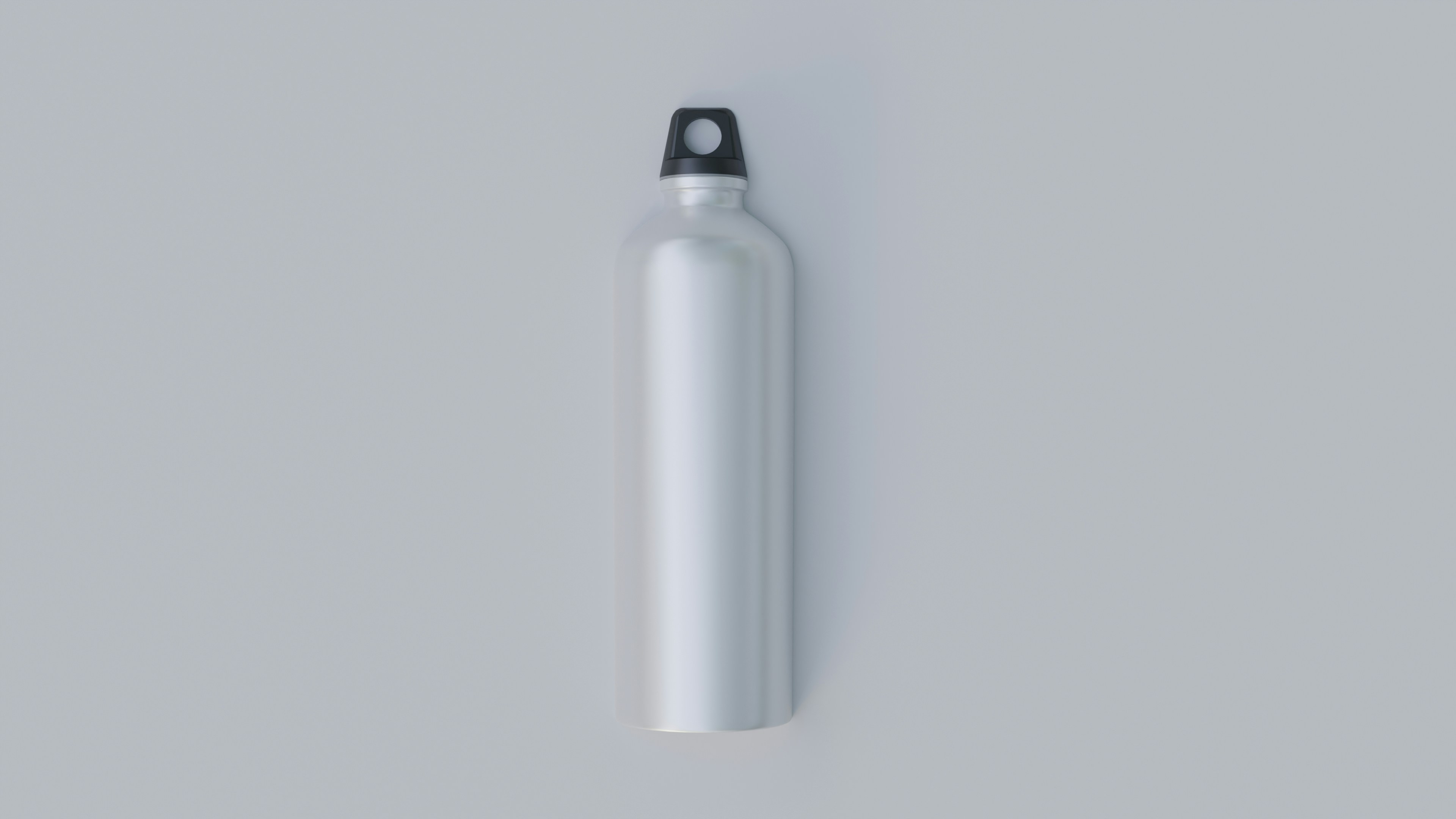
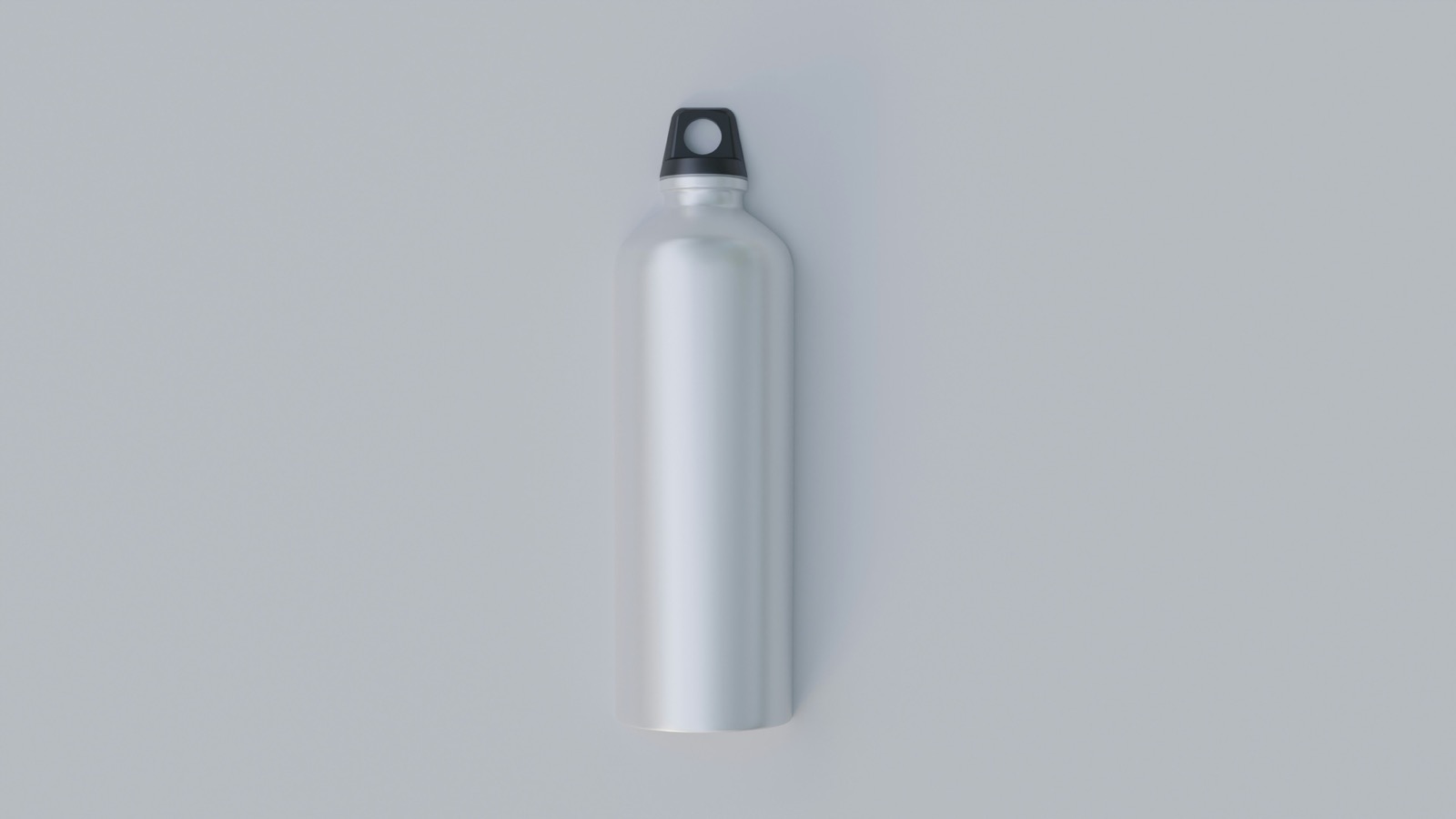
Compare stainless steel water bottles by body, lid, straw, and seal materials. Find options with less plastic contact and learn what safety claims mean.
Read the report →Microplastics have been found in human blood, lungs, and placentas. The science on long-term harm is still developing — but exposure is easy to reduce right now. The biggest sources are bottled water, heated plastic food containers, and plastic tea bags, and every one of them has a simple, permanent swap.
Read about our research approach →
*Estimate popularized by a 2019 WWF-commissioned study (Univ. of Newcastle). Later analyses suggest the true figure is lower — which is why we cite primary sources in every guide.