Beeswax Wraps & Silicone Bags: Replacing Plastic Wrap for Good
Cling film is single-use plastic pressed directly onto food by design — and microwaved by accident more often than anyone admits. Three reusables cover every job the roll used to do.
We may earn a commission when you buy through our links. This helps fund our reporting at no additional cost to you. Our recommendations are based solely on independent research and expert consensus. As an Amazon Associate we earn from qualifying purchases.
Quick Picks: At-a-Glance
| Pick | Best for | Why we recommend it |
|---|---|---|
| Bee's Wrap Assorted 3-Pack | Everyday covering | The original wax wrap — organic cotton, beeswax, jojoba; compostable at end of life. |
| Stasher Platinum Silicone Bag | Zip-top replacement | Platinum-cured silicone that goes freezer, microwave, oven, sous-vide, dishwasher. |
| Silicone Stretch Lids (12-Pack) | Budget / odd containers | Six sizes × two: turns every lidless bowl and cut melon into a sealed container. |
The Roll That Touches Everything
Plastic wrap's whole function is intimate food contact: stretched over leftovers, pressed onto cut fruit, clinging to cheese. It's polyethylene (or, historically worse, PVDC), used once and landfilled — and because it's transparent and thin, it rides into the microwave constantly. Heating plastic in contact with food is the highest-shedding scenario measured: a University of Nebraska study found microwaving food-contact plastic released millions of microplastic and nanoplastic particles per square centimetre, the same finding that anchors our glass container guide.
Cling film also fails the recycling test completely — thin film jams sorting machinery and is rejected curbside almost everywhere. A reusable trio (wax wraps for covering, silicone bags for storage and freezing, stretch lids for everything lidless) replaces the roll's entire job description, typically paying for itself in about a year of unbought rolls.
In-Depth Reviews
Our pick
Bee's Wrap Assorted 3-Pack
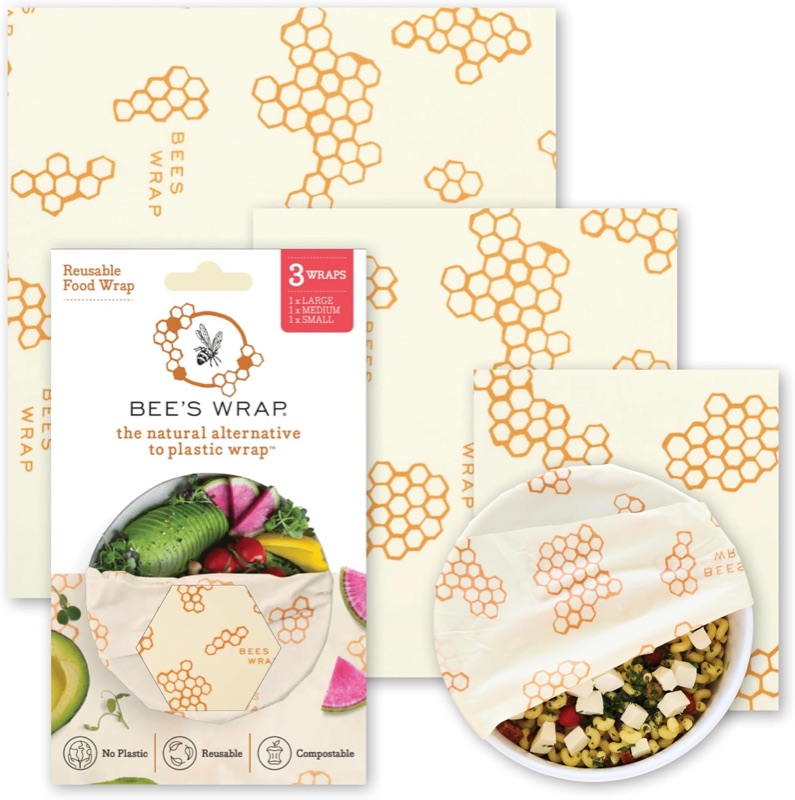
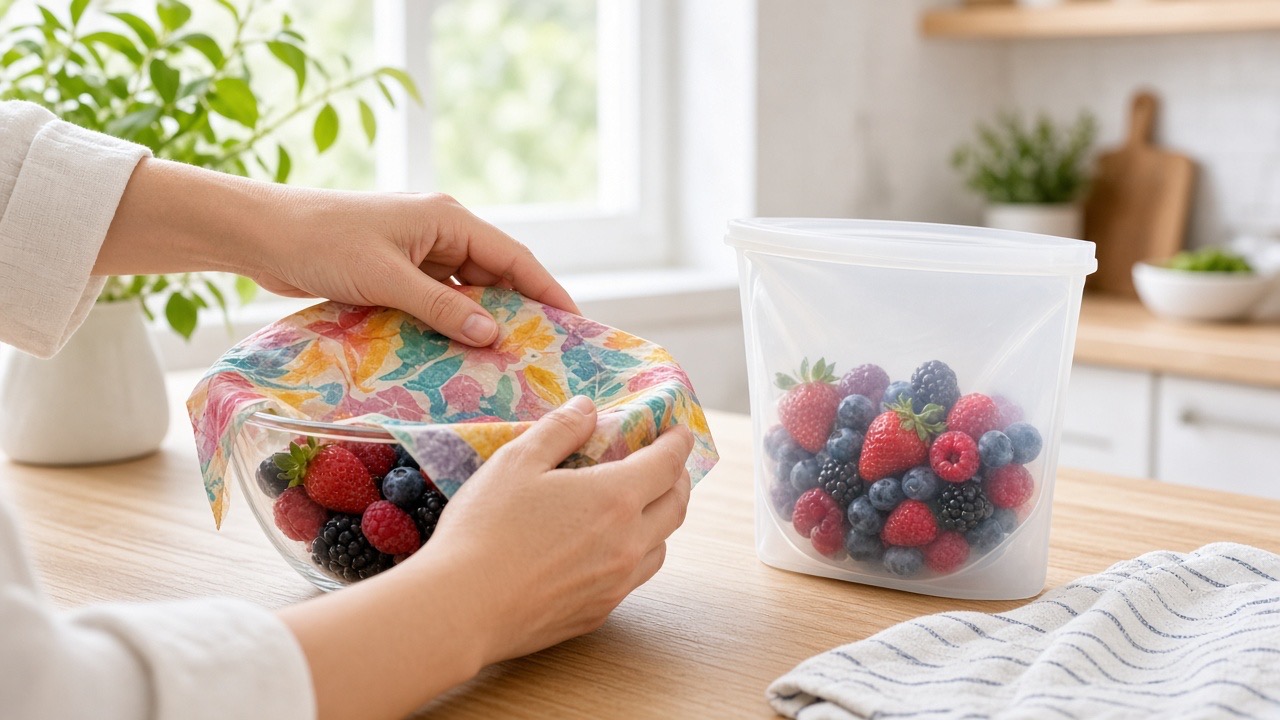
The company that invented the category, still making the best version: GOTS-certified organic cotton coated in beeswax, jojoba oil, and tree resin. Warm the wrap between your hands and it molds around a bowl rim or half an avocado, holding shape when it cools. It breathes slightly — cheese and bread actually keep better than under plastic, which traps moisture. A wrap lasts about a year of steady use and then goes in the compost, because there's nothing in it that isn't biological. The assorted pack's three sizes cover bowl, sandwich, and cut-produce duty.
Check price on AmazonZip-top replacement
Stasher Platinum Silicone Sandwich Bag
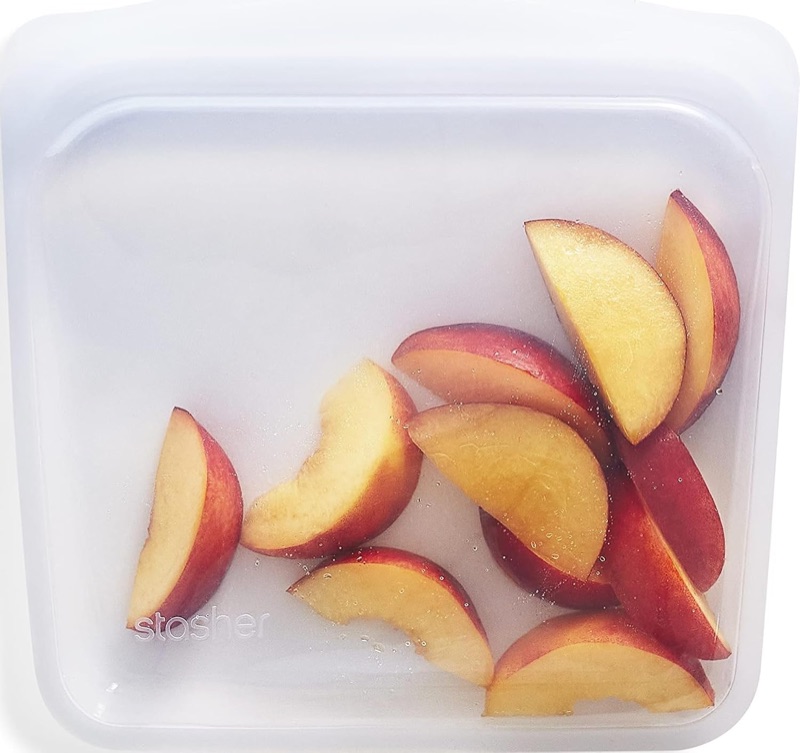
The Stasher replaces the disposable zip-top bag rather than the wrap itself — which matters, because that's where cling film's dirtiest jobs (marinades, freezer, raw proteins) actually go. Platinum-cured food-grade silicone is the key spec: it's not a thermoplastic, doesn't fragment under heat or freezing, and this one bag legitimately goes freezer → sous-vide → microwave → dishwasher. The pinch-lock seal is genuinely airtight once you get the knack. Buy one, confirm you use it constantly (you will), then build out sizes.
Check price on AmazonBudget pick
Silicone Stretch Lids (12-Pack)
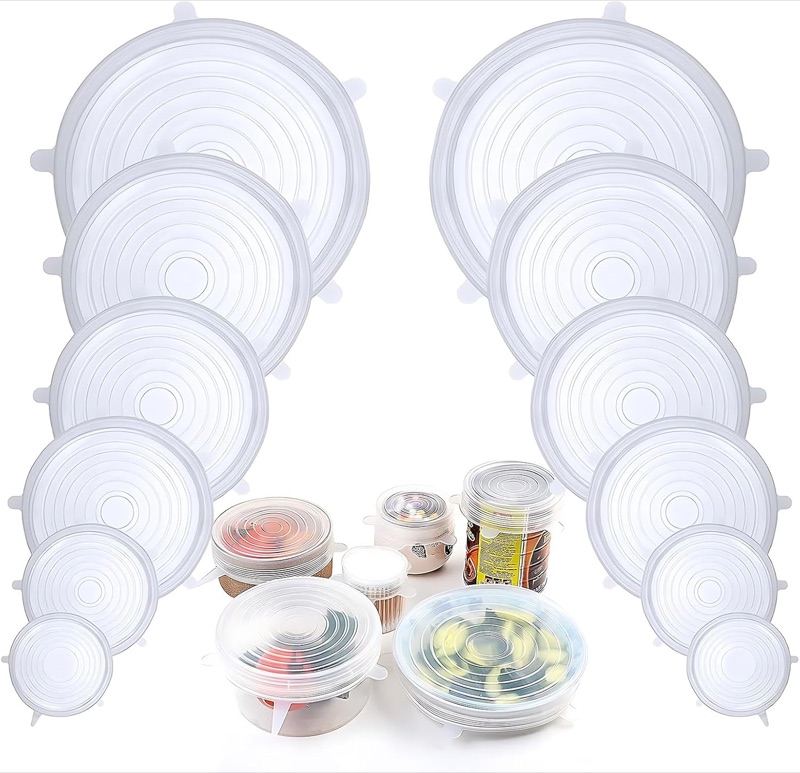
The cheapest way to retire the most cling film in one purchase: twelve stretch lids in six diameters that turn any bowl, jar, mug, pan, or half a watermelon into a sealed container. They stretch over rims up to a couple of inches beyond their resting size, grip tightly enough to hold a seal sideways, and survive the dishwasher, freezer, and microwave. This is the pick for households whose real cling-film habit is "covering the bowl of leftovers" — that habit dies in a week with these in the drawer.
Check price on AmazonFrequently Asked Questions
Isn't silicone just another plastic?
Chemically, no — silicone is a silicon-oxygen polymer rather than a petroleum thermoplastic, and platinum-cured food-grade silicone is exceptionally stable from freezer to oven temperatures. It doesn't embrittle and fragment into microplastics the way polyethylene film does. It's the pragmatic exception this site makes, same as silicone bottle nipples and kettle gaskets.
How long do beeswax wraps actually last?
Around a year of regular use. When they stop gripping, refresh them with a wax refresher bar (or grated beeswax in a low oven) — or compost them and start fresh. Cold-water washing is the main lifespan factor.
What about raw meat?
Not under wax wraps — they can't take hot-water washing, so hygiene rules them out. Raw proteins go in the Stasher (dishwasher-safe) or a lidded glass container. Wraps own the produce/cheese/bread/bowl beat.
Do these actually seal as well as cling film?
Silicone bags and stretch lids seal better — genuinely airtight versus cling film's "mostly." Wax wraps seal slightly less (they breathe), which is better for some foods and worse for, say, a cut onion. Between the three, every cling-film job has an equal-or-better home.
Care & Maintenance Tips
- Wash wax wraps in cold water with mild soap — hot water melts the coating. Air-dry, store folded in a drawer.
- Refresh tired wraps yearly with a wax bar in a 150 °F oven for 2–3 minutes; compost them when the cotton wears through.
- Dry Stasher bags fully open and upside-down; trapped moisture in the seal channel is the only thing that makes them musty.
- Stretch lids grip best on clean, dry rims — wipe the rim first and they'll hold a seal even tilted.
- Silicone stains (tomato, turmeric) are cosmetic; a baking-soda paste or an hour in sunlight lifts most of it.
Keep Swapping
Wraps and bags handle the covering; the containers underneath matter just as much. See our guide to the best glass food-storage containers — and if you're still slicing on plastic before storing, fix the cutting board too.