Can You Get Microplastics Out of Your Body? What the Evidence Shows
Detox products promise to flush plastic out of your body. The research behind them is thin. Here is what each method has actually been tested on, and what you can do instead.
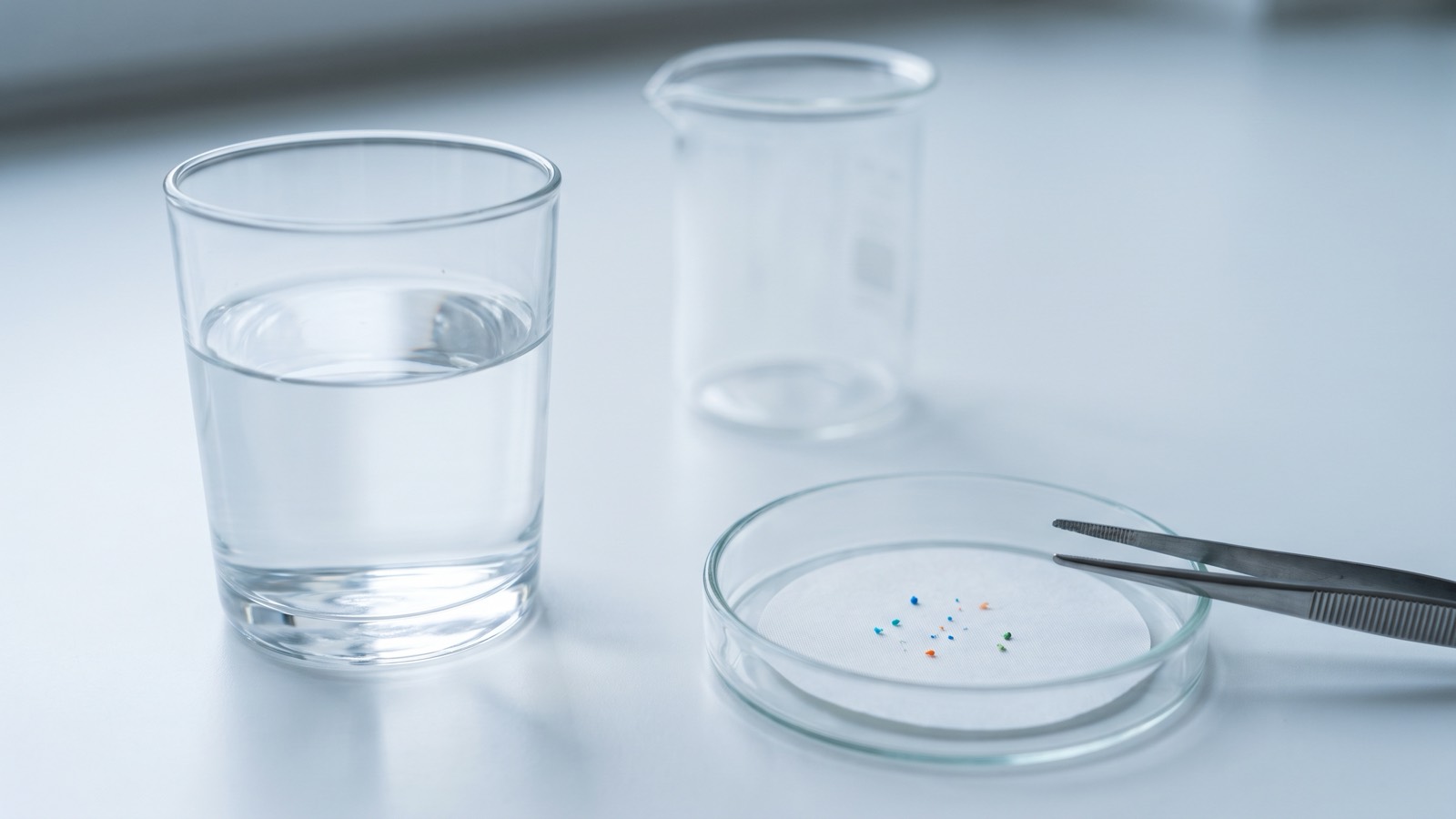
No method has been shown to remove microplastics that are already in human tissue, including the brain, arteries and testes. The body does clear some swallowed particles through stool. The best-supported step is to reduce how much plastic you swallow and breathe in. That is less exciting than a detox, but it is what the research supports as of October 2026. See the studies we reviewed.
This is a research-based evidence review. We read the primary study behind each popular removal claim and noted what kind of evidence it is: human, animal or laboratory. We have not tested any product or measured anyone’s microplastic levels.
Microplastic removal claims at a glance
| Method | What the evidence shows | Type of evidence | Our read |
|---|---|---|---|
| Excretion in stool | Small studies find particles in stool; none measured what stays behind. | Human (small, observational) | Real, but it clears the gut, not tissue |
| Fiber | A review calls it a possibility; three other indigestible ingredients failed in a rat study. | Review, animal | Unproven for plastics |
| Sweating and sauna | We found no study measuring plastic particles in sweat. | None found | No evidence |
| Blood donation, plasma exchange, apheresis | Filters caught plastic-like material; blood results in four patients were mixed. Donation lowers PFAS, not plastics. | Human (tiny, uncontrolled) | Experimental, not a detox |
| Chitosan and other binders | More particles in feces in rats and in a 10-person pilot without a placebo. | Animal, small human pilot | Most plausible binder; gut only |
| Probiotics | Specific strains bound polystyrene in the lab and raised excretion in mice. | Lab, animal | Strain-specific; no human data |
| Activated charcoal | Removes microplastics in water-treatment research; we found no studies in bodies. | Lab (water only) | No evidence; can block medications |
| “Detox” supplements | We found no published trial of a commercial product that measured microplastics in blood or tissue. | None found | Claims outrun the data |
“Human” means people were studied, not that an effect was proven. None of these studies measured a change in anyone’s health.
Each removal method, and what it was tested on
This is not medical advice; if you are worried about your health or considering a procedure or supplement, talk with a clinician.
Stool: the documented exit route
In a 2019 case series in Annals of Internal Medicine, all eight participants’ stool contained microplastics: a median of 20 particles (50 to 500 µm) per 10 g, mostly polypropylene and PET. Each person gave one sample. A 2022 study of 102 people in China found more particles in the stool of people with inflammatory bowel disease (41.8 per gram of dry matter) than in healthy people (28.0). That is an association, not evidence of cause.
Our read: these studies count what came out, not what stayed behind. Stool carries particles that are still in the gut; it is not evidence of organs releasing stored plastic.
Fiber
The idea is that fiber binds particles in the gut so more leave in stool. A 2024 review in Food Frontiers calls fiber a potential strategy but says more research is needed to establish its practical effects. We found no human trial of ordinary dietary fiber that measured microplastic excretion. In a 2025 rat study from Tokai University, three indigestible ingredients (indigestible dextrin, lactosucrose and eggshell membrane protein) did not change excretion. Only chitosan did.
Our read: fiber has well-established benefits, but flushing out plastic is not yet one of them.
Sweating and saunas
We found no study that measured microplastic particles leaving the body in sweat. The sweat studies we found looked at dissolved chemicals instead: in a 2012 study of 20 people, BPA was detected in the sweat of 16. BPA is a plastic chemical, not a particle, and that study did not test whether sweating lowered anyone’s levels.
Our read: we found no evidence that sweating removes microplastics.
Blood donation, plasma exchange and apheresis
The “blood filtering could remove microplastics” headlines trace back to a research group at TU Dresden. Apheresis runs blood through a machine that filters it before returning it to the body.
- A 2025 brief report in Brain Medicine analyzed the material filtered from the blood of 21 people with ME/CFS during double-filtration apheresis. Infrared spectroscopy found 14 plastic-like substances or mixtures, resembling polyamide and polyurethane, that were absent from filter-rinse controls. It did not count particles or compare blood before and after. The authors note that protein can confound the polyamide signal, and three of them work at a clinic that offers the treatment.
- The August 2026 follow-up in Brain Health drove the latest coverage. For microplastics, blood from only four patients was tested by pyrolysis–GC/MS: polyethylene fell in all four and PVC in three, while other plastics moved inconsistently. The authors call the results preliminary.
One more caution: a 2025 methods paper concluded that pyrolysis–GC/MS cannot yet reliably measure polyethylene or PVC in biological samples, partly because fats can mimic polyethylene. Double filtration also removes lipoproteins from blood. That does not prove an artifact, but it needs independent confirmation.
Blood donation is a separate claim. In a 2022 randomized trial of 285 Australian fire service workers, donating plasma every six weeks for a year lowered blood PFOS by 2.9 ng/mL. PFAS are dissolved “forever chemicals,” not plastic particles, and the trial did not measure microplastics.
Our read: apheresis is an invasive medical procedure. Particles caught in a filter do not show that the body’s total burden fell, and there is no evidence that apheresis reaches particles lodged in arteries, brain or testes.
Chitosan and other binders
Chitosan, a fiber usually made from crustacean shells, has the most direct evidence of any binder. In the Tokai study, 30 rats ate polyethylene particles of about 200 µm for a week. Those given chitosan excreted more particles and retained about half as many in the gut (6.1% versus 12.1% of the dose). Their measured excretion topped 100%, which the authors attribute to incomplete fecal analysis.
A 2025 pilot study in Foods gave 10 healthy volunteers one 0.8 g dose of crayfish-derived chitosan before a standardized meal. Particles counted in next-morning stool (20 to 500 µm) rose from 654 at baseline to 965. With no placebo, no blinding and a fixed order, diet and timing could explain part of the change. For other marketed binders, such as clays, we found no microplastic studies in animals or people.
Our read: chitosan is the most plausible gut binder, with one tiny human pilot. It acts on particles still in the gut, not on those already in tissue.
Probiotics and fermented foods
A 2025 study in Frontiers in Microbiology, funded by Bluepha, a biotechnology company that employs all three authors, screened 784 bacterial strains for binding polystyrene beads. In mice, two strains raised excretion of a single 5 µm polystyrene dose from 41.0% to 55.2–55.9%. A 2026 study in Bioresource Technology from the World Institute of Kimchi found that a kimchi-derived strain, Leuconostoc mesenteroides CBA3656, bound 57% of polystyrene nanoplastics under simulated gut conditions. In germ-free mice, it more than doubled the nanoplastics found in feces.
Our read: these are specific strains, tested with polystyrene, in mice. The results do not transfer to a generic probiotic or a jar of kimchi, and none has been tested in people.
Activated charcoal
Activated carbon does adsorb microplastics in wastewater-treatment research, which is likely where the idea comes from. We found no study in people or animals showing that swallowed charcoal lowers microplastic levels. Charcoal is a poisoning treatment that binds substances still in the gut, and it can reduce the absorption of oral medications.
Our read: no evidence of benefit, and a real drawback for anyone who takes medication.
“Detox” supplements
Microplastic detox products often contain the ingredients above. The FDA does not approve dietary supplements for safety or effectiveness before they are sold. We found no published trial of a commercial microplastic product that measured microplastics in blood or tissue before and after use.
Our read: if a label implies it clears plastic from your organs, the studies above are the most it can lean on, and most of them are in animals.
What we know about microplastics in human tissue
Plastic particles have been reported in many human tissues. The best-known numbers come from small studies using methods still being validated, so treat them as early estimates.
Blood
Leslie et al. (2022) analyzed blood from 22 healthy volunteers and found a quantifiable amount of plastic in 17 (77%), most often PET, polystyrene and polyethylene. The mean total was 1.6 µg/mL. The authors called it a small set of donors.
Arteries
Marfella et al. (2024) in the New England Journal of Medicine examined carotid-artery plaque removed during surgery. Of 257 patients followed for about 34 months, 150 (58.4%) had polyethylene in their plaque. Those with plastic detected had a higher risk of heart attack, stroke or death (hazard ratio 4.53). The study was observational, so it shows an association, not that plastic caused those events.
Brain
Nihart et al. (2025) in Nature Medicine analyzed autopsy samples from New Mexico. Median concentrations in frontal-cortex samples were 3,345 µg/g in 2016 and 4,917 µg/g in 2024, against 2024 medians of 433 µg/g in liver and 404 µg/g in kidney. Most was polyethylene, and 12 brains from people with dementia had higher levels still. A March 2025 author correction fixed duplicated supplementary images. These are the most disputed numbers in the field.
Testes
Hu et al. (2024) in Toxicological Sciences reported microplastics in 47 dog and 23 human testes, with mean totals of 122.63 µg/g and 328.44 µg/g, mostly polyethylene. In the dogs, higher PVC levels correlated with lower sperm counts; human sperm counts could not be measured because the tissue had been chemically preserved. A 2025 letter criticizing the methods was funded by the American Chemistry Council, an industry trade group; the authors responded.
Why the measurements are uncertain
Fat can look like plastic. Most tissue studies above used pyrolysis–GC/MS, which heats a sample and identifies plastics from their breakdown products. Rauert et al. (2025) concluded that the technique “is currently not a suitable analysis method for PE and PVC in biological matrices,” in part because lipids produce fragments resembling polyethylene. The brain is rich in fat. A Matters Arising in Nature Medicine said the brain study “appears to face methodological challenges, such as limited contamination controls and lack of validation steps.” In their reply, the original authors discussed “the uncertainties in even the best current methods.”
Lab gloves can create false particles. A 2026 University of Michigan study in Analytical Methods found that nitrile and latex gloves leave stearates, soap-like residues whose spectra resemble microplastics. With standard library matching, glove contact produced a mean of about 2,000 false positives per mm², against about 100 for a cleanroom glove. The authors’ correction methods cut false positives most among particles smaller than 10 µm. The study used environmental samples, not tissue, and senior author Anne McNeil says there is “still a lot out there.”
Our read: many studies using different methods support the finding that plastic reaches human tissue. How much, especially in the brain, is genuinely uncertain. That cuts both ways: no one can currently verify that a detox lowered tissue levels either. The same gap between counting particles and weighing them undermines the popular “credit card a week” claim.
A proposed mechanism: radicals at the plastic surface
On October 14, 2026, a Columbia University team led by Wei Min, with Teresa Head-Gordon’s group at UC Berkeley, reported in Nature that common microplastics spontaneously generate reactive oxygen species in water. First author Naixin Qian and colleagues, including Columbia geochemist Beizhan Yan, tested six commodity plastics, and radical production rose as the plastic surface became more water-repellent. Calculations suggested that hydroxide ions at the plastic–water boundary give up electrons more easily. In lab tests, the particles promoted protein aggregation, and polystyrene particles fragmented mouse red blood cells in a dish.
Our read: as Columbia’s announcement says, this is a potential mechanism, not evidence of harm in people. The tests used particles in buffer and cell suspensions, not a living body at real-world doses. It adds a possible reason to limit exposure, not a way to remove particles. We cover its doses, limits and peer review in our breakdown of the Nature study.
Federal research on removal is just starting
- EPA: on April 2, 2026, EPA listed microplastics as a priority contaminant group in its draft Sixth Contaminant Candidate List (CCL 6), with a Federal Register notice on April 6. EPA states that inclusion “does not constitute regulation”; the list flags contaminants for study.
- ARPA-H: the same day, ARPA-H launched STOMP, a program of up to $144 million to build tools to measure, study and remove micro- and nanoplastics from the body. ARPA-H says there is not yet a precise way to measure microplastics in organs, and removal comes in the program’s second phase.
A federal program set up to invent removal methods is itself a sign that no validated one exists yet.
What actually reduces exposure
Prevention is the practical lever. In rough order of priority:
- Filter drinking water, and don’t default to bottled. A 2024 PNAS study estimated about 240,000 particles per liter in the bottled water it tested, about 90% of them nanoplastics. Our water filter guide compares filters with published microplastic data. In lab tests, boiling hard tap water trapped at least 80% of the tested particles in limescale, which then has to be strained out.
- Don’t heat food or drinks in plastic. In a 2023 lab study, microwaving some containers released up to 4.22 million microplastic and 2.11 billion nanoplastic particles per square centimeter of plastic within three minutes. Use glass containers for reheating, a plastic-free kettle for hot water, and glass baby bottles for formula.
- Check your tea bags. In a 2019 lab study, steeping one nylon or PET mesh tea bag at 95 °C released about 11.6 billion microplastics and 3.1 billion nanoplastics into the cup. See which tea bags have plastic.
- Replace worn plastic cooking surfaces. Scratched nonstick coatings and plastic utensils are plausible sources in hot food; our non-toxic cookware guide covers the evidence.
- Cut household dust and ventilate. A 2025 study of 16 air samples from French apartments and cars found median levels of 528 particles per cubic meter in homes and 2,238 in cars, 94% of them smaller than 10 µm, the size range most prone to measurement error. HEPA vacuuming, damp dusting and opening windows are sensible steps, though no study has shown they lower microplastics in the body.
None of these steps has been shown to improve health either. No study has tested whether lowering microplastic intake changes health outcomes, and the FDA says current evidence does not demonstrate that the levels detected in foods pose a risk to human health. What these swaps do is cut a measured source of exposure, often cheaply.
Frequently asked questions
Can you get rid of microplastics in your body naturally?
Your body passes some swallowed particles in stool, but no food, habit or remedy has been shown to remove particles already in tissue, including fiber, sweating and fermented foods. Reducing what you swallow and breathe in is the best-supported step.
How do you get microplastics out of your brain?
No method has been shown to do that. Brain estimates come from autopsy tissue and are disputed on measurement grounds, and no study has tracked brain levels in living people after any treatment.
Can microplastics in the testicles be removed?
No treatment has been shown to remove them. The best-known evidence for microplastics in human testes, a small 2024 autopsy study, has had its methods challenged.
Does sweating or a sauna remove microplastics?
We found no study showing that plastic particles leave the body in sweat. Small studies have found plastic chemicals such as BPA in sweat, which is a different question.
Can blood filtering or donating blood remove microplastics?
Not on current evidence. Small apheresis studies caught plastic-like material in filters and gave mixed blood results in four patients. A blood and plasma donation trial lowered PFAS but did not measure microplastics.
Do microplastic detox supplements work?
We found no published trial of a commercial detox product that measured microplastics in blood or tissue. Ingredient studies are mostly in animals, and the FDA does not approve supplements for effectiveness before they are sold.
Sources and editorial method
Reviewed October 15, 2026. This is a research-based evidence review, not a laboratory study or medical guidance. We read the primary papers and official announcements below and classified each claim by the kind of evidence behind it. We have not tested any product, procedure or supplement, and we have not measured microplastics in anyone. Where we could reach only a paper’s abstract or the publisher’s summary, we limited our description to what those state.
- Schwabl et al. (2019): Detection of various microplastics in human stool, Annals of Internal Medicine 171(7):453–457. Eight-person case series.
- Yan et al. (2022): Fecal microplastics and inflammatory bowel disease status, Environmental Science & Technology 56(1):414–421.
- Wang et al. (2024): Fighting microplastics: the role of dietary fibers in protecting health, Food Frontiers. Review.
- Liu and Shimizu (2025): Ingesting chitosan can promote excretion of microplastics, Scientific Reports 15:14041. Rat study.
- Casella et al. (2025): PCC-chitosan and microplastic excretion in human stools, Foods 14(13):2190. Ten-person pilot.
- Genuis et al. (2012): Human excretion of bisphenol A: blood, urine and sweat, Journal of Environmental and Public Health.
- Bornstein et al. (2025): Therapeutic apheresis: a promising method to remove microplastics?, Brain Medicine 1(3):52–53. Open full text.
- Bornstein et al. (2026): Therapeutic apheresis for combined targeting of lipoproteins, inflammatory markers, PFAS and microplastics, Brain Health, published August 4, 2026.
- Gasiorowski et al. (2022): Plasma and blood donation and PFAS levels in firefighters, JAMA Network Open. Randomized trial.
- Teng, Zhang and Rao (2025): Probiotics adsorbing and excreting microplastics in vivo, Frontiers in Microbiology. Company-funded mouse study.
- Lee et al. (2026): Biosorption of nanoplastics by a food-derived lactic acid bacterium, Bioresource Technology 447:134234.
- Anuwa-Amarh et al. (2024): Carbon-based adsorbents for microplastic removal from wastewater, Materials. Review.
- StatPearls: Activated charcoal — drug interactions.
- FDA: Information for consumers on using dietary supplements.
- Leslie et al. (2022): Plastic particle pollution in human blood, Environment International 163:107199.
- Marfella et al. (2024): Microplastics and nanoplastics in atheromas and cardiovascular events, New England Journal of Medicine.
- Nihart et al. (2025): Bioaccumulation of microplastics in decedent human brains, Nature Medicine 31:1114–1119, and its author correction (March 31, 2025).
- Monikh, Materić et al. (2025): Challenges in studying microplastics in human brain, Nature Medicine. Matters Arising, with the authors’ reply.
- Hu et al. (2024): Microplastic presence in dog and human testis, Toxicological Sciences 200(2):235–240; University of New Mexico summary; comment and response.
- Rauert et al. (2025): Pyrolysis–GC/MS for nanoplastic and microplastic analysis in human blood, Environmental Science & Technology 59(4):1984–1994.
- Clough et al. (2026): Avoiding and reducing microplastic false positives from dry glove contact, Analytical Methods; University of Michigan summary.
- Qian et al. (2026): Intrinsic physicochemical activity at microplastic–water interfaces, Nature, published October 14, 2026; Columbia announcement.
- EPA and HHS announcement, April 2, 2026 and draft CCL 6 Federal Register notice.
- ARPA-H: STOMP program launch.
- Qian et al. (2024): Single-particle chemical imaging of nanoplastics, PNAS 121(3). Bottled-water estimate.
- Yu et al. (2024): Drinking boiled tap water reduces intake of nanoplastics and microplastics, Environmental Science & Technology Letters 11(3):273–279.
- Hernandez et al. (2019): Plastic teabags release billions of microparticles and nanoparticles into tea, Environmental Science & Technology.
- Hussain et al. (2023): Release of microplastics and nanoplastics from plastic containers and food pouches, Environmental Science & Technology 57(26):9782–9792.
- Yakovenko et al. (2025): Human exposure to PM10 microplastics in indoor air, PLOS ONE 20(7):e0328011.
- FDA: Microplastics and nanoplastics in foods.
Keep swapping
For everyday swaps, start with a stainless steel water bottle, then work through the kitchen: air fryers, kitchen utensils and plastic-free tea.